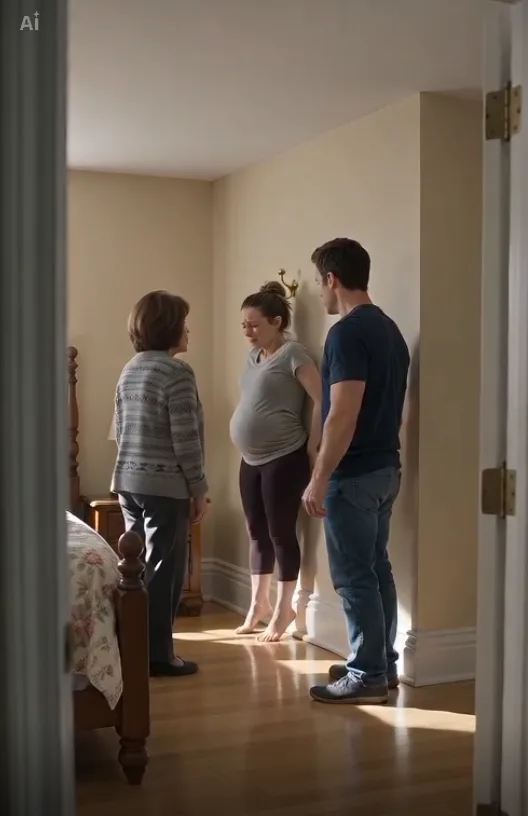
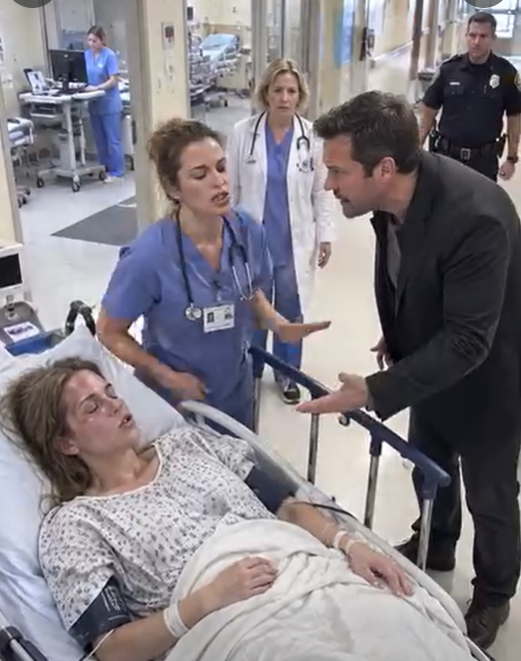
Mis padres esperaron hasta que estuve de parto para darle a mi hermano las llaves de mi casa.
Me enteré por un mensaje de texto de mi madre, enviado mientras estaba bajo las luces del hospital intentando respirar durante las contracciones: «Dejamos que Mason se quedara en tu casa unas noches. Necesita un descanso, y de todas formas estarás en el hospital». Nunca le había dado permiso. Ni siquiera les había dicho que podía usar la llave de repuesto. Mamá y papá tenían una llave solo para emergencias. Después de que un fontanero necesitara entrar mientras yo estaba fuera, les dije que nunca se la prestaran ni entraran sin preguntarme. El contrato de alquiler de Mason acababa de terminar, pero no tenía ni idea de que necesitara un lugar donde quedarse.
Mi esposo, Daniel, leyó el mensaje por encima de mi hombro. «Ya nos ocuparemos de esto cuando llegues a casa», dijo, y dejó mi teléfono boca abajo. Nuestra hija llegó justo antes del amanecer. Durante dos días, me permití creer que la casa seguiría siendo nuestra cuando volviéramos.
La primera señal fue la camioneta de Mason en la entrada. Mi madre abrió la puerta antes de que Daniel pudiera encontrar la llave. Dijo que había movido algunas cosas para hacer espacio. Entonces vi la habitación del bebé. Las bolsas de lona de Mason estaban debajo de la ventana. Sus botas estaban junto al cambiador. La cuna había sido empujada hacia el pasillo, con la manta doblada sobre una de las barandillas.
Mi recién nacida se removió contra mi pecho. Mi madre la tomó en brazos. «Puedes dejarla en la sala», dijo. «Mason ha tenido un mes difícil, y esto es solo temporal».
Mason apareció detrás de ella con una camiseta y sonrió. «Tranquila, Claire. Soy tu hermano. No puedes echar a la familia».
Me dolía todo por la cirugía, estaba agotada y sostenía a mi hija. Daniel me rodeó con un brazo, pero negué con la cabeza antes de que pudiera responder. No iba a discutir delante de la bebé. Me senté en el banco de la entrada, abrí el teléfono y llamé a una persona: el abogado que había gestionado la escritura cuando compré la casa antes de casarme con Daniel.
Puse la llamada en altavoz. Me preguntó si Mason tenía contrato de alquiler, si había pagado renta o si había vivido allí antes. Le dije que no. Me indicó que guardara los mensajes, que me quedara afuera si me sentía insegura y que llamara a la línea de no emergencia del sheriff para que hubiera una persona de guardia. El agente podría mantener el orden y explicarme los siguientes pasos; nadie iba a forzar un desalojo sin el debido proceso.
Veinte minutos después, alguien llamó a la puerta. Un agente uniformado estaba en el porche con otro oficial. Miró a mi madre, luego a Mason, que había dejado de sonreír.
“Estamos aquí por el ocupante no autorizado”, dijo el agente.
Mason’s expression changed from amusement to annoyance. “I’m not some stranger,” he said. “My parents gave me a key.” The deputy asked who owned the house. I showed him the deed on my phone, along with my mother’s text saying she had let Mason stay without asking me. He explained that a key did not grant permission from the owner, and that his job was to keep the conversation calm, not decide a complicated housing case on the porch.
My mother stepped forward. “We were helping both of them. Claire is recovering, and Mason needed somewhere to stay.” Daniel had been quiet until then, but his voice was steady. “Then you should have asked. You moved our baby’s crib into a hallway.”
Mason crossed his arms. “I’m not leaving because you’re upset. I’ve got nowhere else.”
The second deputy asked how long he had been staying there. “Since yesterday,” my mother answered. Mason corrected her: “Two nights.” He had not changed his address, paid rent, or received mail there. He had been living in a rented room across town until the lease ended. The officers explained that if he refused to leave, the matter could require formal legal steps. They could document the situation and help prevent a confrontation, but they would not drag him out based on an argument.
My attorney stayed on the phone and asked the deputy to note that I was explicitly withdrawing any permission for Mason to remain. Then she emailed a written notice for me to sign and deliver. I signed it, and the deputy watched as I handed it to Mason. It stated that he had no permission to stay and needed to remove his belongings by six. If he refused, I could pursue the proper court process.
My mother said I was choosing a newborn over my own brother. I looked at the crib in the hallway and answered, “I’m choosing my daughter’s home and safety. You can help Mason find another place, but you cannot give away a room in my house.”
The words landed harder than shouting would have. Dad, who had been standing beside the pickup, looked down. He admitted they had planned to use the nursery for Mason “for a week or two” while I recovered. They thought I would accept it once I was home and too tired to fight.
Mason glanced at the deputy. “So you’re really putting me on the street?”
“No,” I said. “You have until six. Call your landlord, call a friend, or ask Mom and Dad. But you don’t get to stay here without my permission.”
Daniel carried the baby to the car while I remained on the porch. Mason began packing. The officers stayed nearby as a civil standby, not as an eviction crew. My mother followed him inside, still muttering that I had changed. I didn’t follow her.
At 5:42, Mason carried his last box to the truck. Before he climbed in, he turned toward me. “You could have handled this like family.”