An dem Tag, als ich sagte: „Ich werde das Kind meines Bruders nicht erziehen“, sah mich meine Mutter an, als hätte ich jemanden verraten, der bereits tot war. Mein Bruder Daniel war zwölf Tage zuvor bei einem Verkehrsunfall auf der Autobahn bei Denver ums Leben gekommen, und seine siebenjährige Tochter Sophie wachte noch immer jeden Morgen auf und fragte, wann ihr Vater nach Hause käme.
Bevor sie mich überhaupt fragten, hatten alle schon entschieden, was als Nächstes passieren würde. Ich war 34, unverheiratet, finanziell abgesichert und Daniels einziges Geschwisterkind, daher gingen meine Eltern davon aus, dass Sophie einfach in meine Wohnung ziehen und ich mein restliches Leben um sie herum organisieren würde.
„Ich liebe sie“, sagte ich bedächtig. „Ich werde immer ihre Tante sein und ihr helfen. Aber ich werde nicht ihre Mutter.“
Das Gesicht meiner Mutter verhärtete sich. „Daniel ist tot, Sarah, und du denkst immer noch nur an dich selbst.“
Der Satz traf mich härter als erwartet.
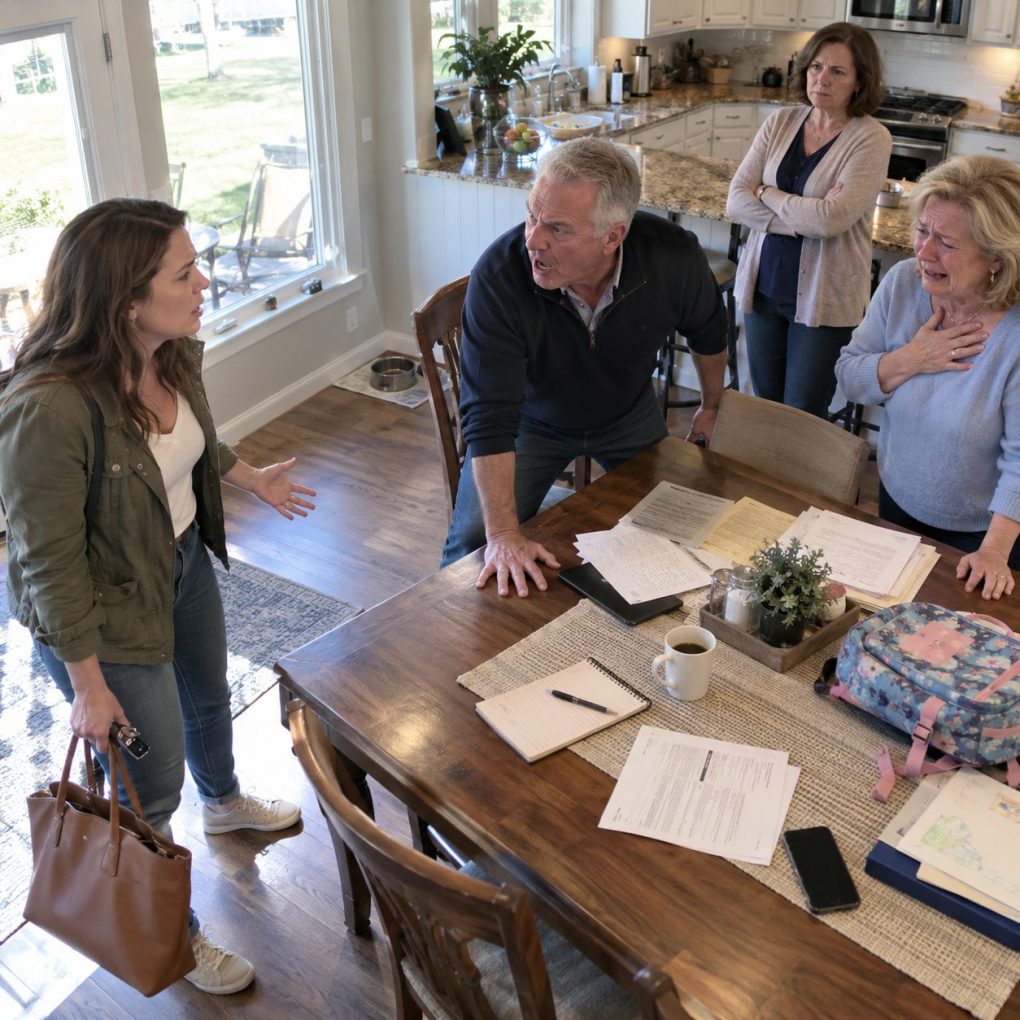
Mein Vater schlug mit der Hand auf den Küchentisch. Meine Tante nannte mich egoistisch, während meine Mutter weinte und fragte, was für eine Frau einem Waisenkind etwas abschlagen könne. Niemand schien sich dafür zu interessieren, dass ich beruflich ständig unterwegs war, in einer Einzimmerwohnung lebte, nie Kinder gewollt hatte und der Meinung war, Sophie verdiene einen Vormund, der sie auch wirklich aufziehen wolle.
Meine Eltern beantragten schließlich die Vormundschaft, und ich unterstützte sie dabei. In den folgenden elf Monaten bezahlte ich Sophies Kleidung, Schulmaterialien, das Sommerlager, zwei Zahnarztbesuche und Lebensmittel, wann immer meine Eltern sagten, sie hätten finanzielle Schwierigkeiten.
Dann hörte das „Helfen“ auf, freiwillig zu sein.
Meine Mutter schickte mir per E-Mail Tabellenkalkulationen mit dem Titel „Sophies Anteil“ , in denen die Hälfte der Hypothekenerhöhung, Nebenkosten, Lebensmittel, Benzin, außerschulische Aktivitäten und sogar ein Teil eines Familienurlaubs aufgeführt waren, der angeblich „Sophies emotionaler Genesung“ dienen sollte. Laut ihren Berechnungen sollte ich ihnen bis Ende des Jahres 48.360 Dollar schulden.
Ich musste lachen, als ich die Zahl zum ersten Mal sah.
Dann schrieb meine Mutter: „Du hast dich entschieden, sie nicht aufzuziehen. Das ist das Mindeste, was du tun kannst.“
Ich habe aufgehört, Geld zu schicken, nachdem ich erfahren hatte, dass Sophie bereits Hinterbliebenenrente bezog und ein Treuhandkonto hatte, das Daniel Jahre zuvor eingerichtet hatte. Ich kaufte ihr zwar weiterhin direkt Dinge, weigerte mich aber, den Haushalt meiner Eltern finanziell zu unterstützen.
Drei Monate später betrat ein Gerichtsvollzieher mein Büro.
Meine Eltern hatten mich verklagt.
Bei der ersten Anhörung sagte ihr Anwalt dem Richter, ich hätte versprochen, Sophie finanziell zu unterstützen, wenn meine Eltern die Vormundschaft übernehmen würden, und hätte diese Verpflichtung dann aufgegeben, als familiäre Spannungen auftraten.
Ich hatte keinen Anwalt.
Auf der anderen Seite des Gerichtssaals wagte meine Mutter es nicht einmal, mich anzusehen.
When the judge finally said, “Ms. Mitchell, you may respond,” I stood with a folder in my hands.
“Thank you, Your Honor,” I said. “I’d like to begin with the part of my messages they removed.”
Their attorney had submitted screenshots showing me writing, “I’ll help with Sophie’s expenses.” What he did not submit was the rest of the message: “when I can. I am not agreeing to a fixed monthly payment, and I am not assuming permanent financial responsibility.” My mother’s reply underneath was still there.
Anything helps. We understand.
The judge read the complete thread twice.
Then she asked my parents’ attorney whether he had been given the entire conversation.
He glanced toward my parents. “No, Your Honor.”
I placed my bank records on the clerk’s desk. In eleven months, I had voluntarily spent more than $14,000 on Sophie, and nearly every transfer had been followed by messages from my mother saying things like, “Thank you for helping,” or, “This means a lot.”
Not once did she call those payments part of a debt.
Then I showed the spreadsheets.
My parents had taken their household costs, chosen percentages they believed I should pay, and retroactively transformed ordinary expenses into money I supposedly owed. One line charged me $6,200 for “housing contribution” because they had converted their home office into Sophie’s bedroom.
My father suddenly spoke. “We wouldn’t have had to change our lives if she had done what she was supposed to do.”
The judge stopped him immediately.
I looked at him anyway.
“What exactly was I supposed to do, Dad? Become a mother because everyone else decided my life was easier to sacrifice?”
His face went red.
Their attorney argued that my conduct still showed an implied commitment, but then the judge asked why I had stopped making cash payments.
That was the question I had been waiting for.
I explained that I had learned Sophie was receiving survivor benefits and that Daniel had left money in a custodial savings account. I was not accusing my parents of misusing either source, but for nearly a year they had repeatedly told me Sophie had “nothing” while demanding increasingly larger payments from me.
My mother stared down at the table.
I reached into the last section of my folder.
“There’s one more thing.”
Six months earlier, my mother had accidentally copied me on an email she sent to my aunt. I had never confronted her about it because, until that morning, I still wanted to believe anger had made my family say things they did not truly mean.
The judge gave me permission to read it.
My mother whispered urgently to her attorney.
I unfolded the page.
The first sentence made my hands shake.
Don’t tell Sarah what Sophie’s survivor checks actually cover. If she knows we’re managing, she’ll stop feeling guilty.
I paused.
Then I looked directly at my mother.
There was another sentence underneath.
And that was the sentence I had come to court to say out loud.
I looked back at the email and continued.
She gets to keep her apartment, her career, and her freedom while we raise Daniel’s child. If she won’t take Sophie, then she should at least feel some of what this has cost us.