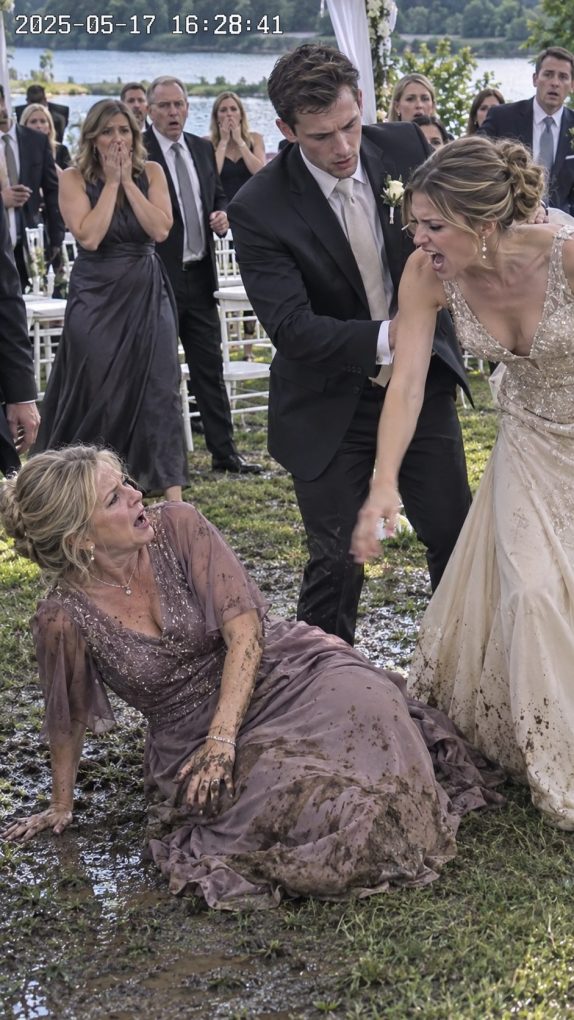
Three days passed before Daniel called. By then, several guests had sent us photographs and short videos from the wedding. One video clearly showed Vanessa pushing Margaret and laughing afterward. Another captured Daniel walking past his mother.
Daniel did not call to apologize. He called because the farewell brunch had been canceled and because relatives were asking uncomfortable questions. He wanted us to tell everyone the shove had been an accident.
I refused. I told him we would not exaggerate what happened, but we would not lie about it either. Anyone who asked would hear the same simple truth: Vanessa pushed Margaret, and Daniel chose to defend her.
A week later, a small insured package arrived at our house. Inside was Margaret’s bracelet. There was no apology, only a handwritten note from Daniel saying returning it was “the easiest way to end the drama.”
Margaret held the bracelet for a long time. Her grandmother had worn it for forty-three years. Margaret had imagined Vanessa wearing it someday while holding our grandchildren. Instead, she placed it back inside the wooden jewelry box where it had been kept for decades.
We did not disown Daniel. We did not demand that he leave his wife. Those were decisions he had to make for himself. But we established one condition for having them in our home again: Vanessa had to acknowledge what she had done, and both of them had to treat Margaret respectfully.
For nearly four months, we heard almost nothing. Margaret attended physical therapy twice a week and gradually stopped using the brace. The emotional injury took longer. Sometimes she would start telling me something funny Daniel had done as a child, then suddenly become quiet.
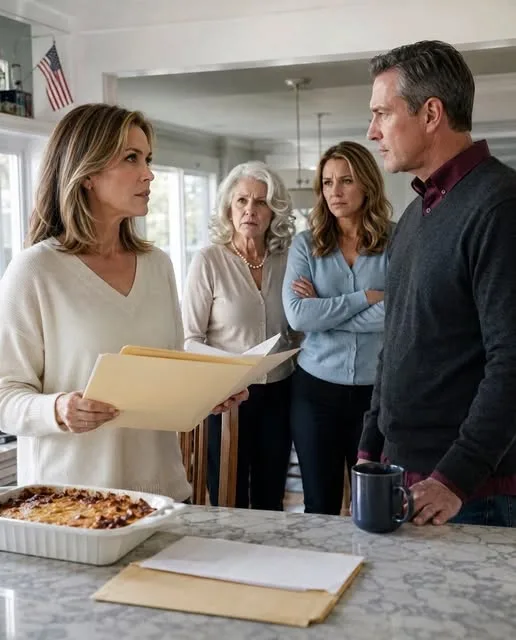
The first real change came when Daniel appeared alone at our door one Sunday afternoon. He looked exhausted. I let him inside, but Margaret remained seated at the kitchen table.
He did not make excuses this time. He said he had watched the wedding video repeatedly. He admitted he had seen the shove when it happened. He had walked past his mother because he was afraid confronting Vanessa would destroy the reception and possibly his new marriage.
Margaret listened without interrupting. Then she said, “The worst part wasn’t falling. The worst part was looking up and watching my son decide I wasn’t worth stopping for.” Daniel lowered his head and began crying.
Margaret did not immediately forgive him, and I was glad she didn’t pretend everything could be repaired in one afternoon. Daniel had finally apologized, but trust would require time and changed behavior. When he left, Margaret took my hand and looked toward the door. “I still love him,” she said. “But loving our son doesn’t mean accepting whatever he does.”