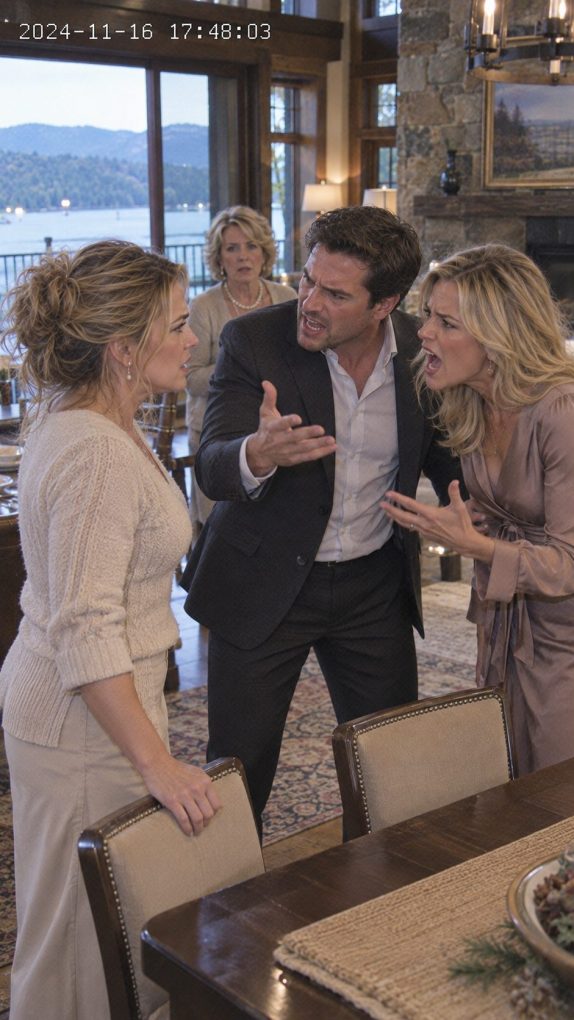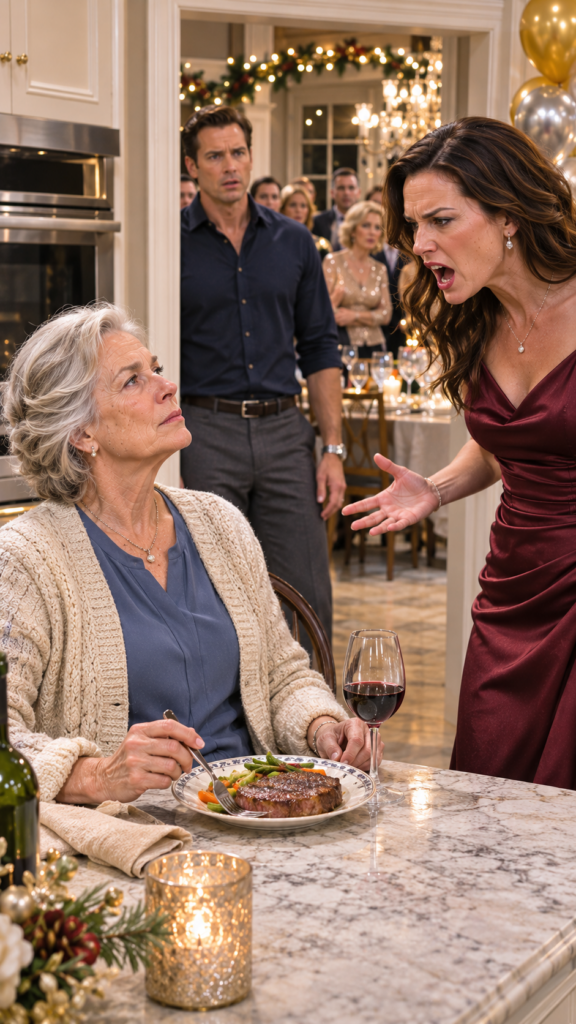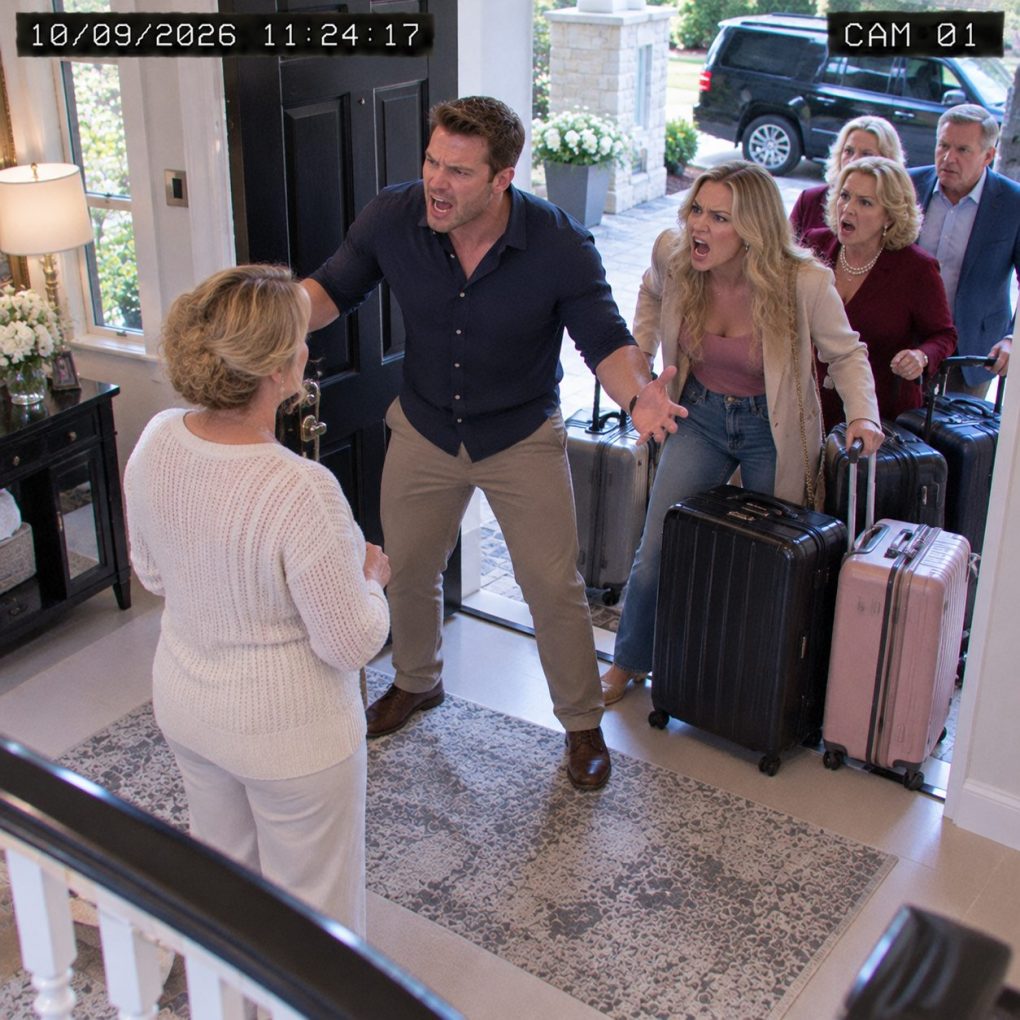
“Did you miss me,” I asked, “or did you miss what you thought I could give you?”
Caleb’s face reddened. He started to answer, then stopped. Vanessa gathered the sketches. Her mother stood without a word.
Martin closed the file. “No one is being asked to decide anything today,” he said. “This office is here to clarify the documents, not distribute an inheritance.”
I watched my son stare at the paper bearing his own signature. The money had brought him back to my door. Whether he could stay in my life would depend on what he did after he left it.
Caleb left the office with the agreement folded in his coat pocket. Vanessa and her mother walked ahead of him. At the curb, he paused and looked back at me, but I didn’t chase after him. I’d done enough chasing for one lifetime.
For three weeks, I heard nothing. I went back to my new routine: morning walks, lunch with old friends, and meetings with the advisers Martin recommended. I placed most of the sale proceeds in conservative investments and set aside enough for taxes and the company’s final obligations. I didn’t buy a mansion or announce gifts. I wanted time to think before money turned every relationship into a negotiation.
Then Caleb emailed. His message was short. He apologized for arriving with plans for my house and for treating the company sale as if it were a family windfall. He said he had been ashamed to contact me after leaving, and the article had made him wonder whether he’d waited too long.
I read it twice. There was no request for money, no mention of the guest suite, and no suggestion that I owed him forgiveness. I replied that I was willing to meet for coffee, just the two of us.
He came alone. We sat outside a café near the courthouse, where neither of us could hide behind a family gathering or an attorney’s conference table. He told me he had left because staying in the business reminded him of his father’s death and made every conversation with me feel like a work meeting.
“I should have told you that instead of disappearing,” he said.
“I should have heard you before every conversation became about keeping the company alive,” I answered. “I was grieving too, and I thought work was the only thing I could control.”
Neither of us was completely right or completely innocent. That was harder to admit than blaming one another, but it was a better place to begin.
We agreed not to discuss money for six months. Caleb and Vanessa would handle their mortgage and her mother’s housing without counting on me. I wouldn’t use the company sale as a test of his affection, and he wouldn’t treat it as proof that I could solve every problem.
Les premières visites furent gênantes. Nous avons parlé de choses ordinaires : son travail, mon jardin, le chien qu’il avait adopté avec Vanessa. Il n’a pas demandé de prêt. Je n’ai pas évoqué l’ancien accord. La confiance revenait dans de petits moments, pas de promesses dramatiques.
Vanessa a envoyé une note séparée s’excusant d’avoir supposé qu’elle pouvait redessiner ma maison. J’ai accepté, mais j’ai gardé la maison exactement comme je le voulais. Sa mère a trouvé un appartement d’une chambre près de son église et a emménagé avec l’aide de sa propre famille.
Un an plus tard, Caleb est venu me rendre visite le jour de mon anniversaire. Il a apporté une photo encadrée de son père et moi devant la première boutique que nous avions ouverte. Il a dit qu’il l’avait trouvée en fouillant dans des cartons. Je l’ai remercié, et pour la première fois en treize ans, nous nous sommes assis ensemble sans discuter de ce que l’un de nous pourrait hériter.
J’ai finalement mis à jour mon plan successoral avec Martin. J’ai fait mes choix en privé, avec soin, sans promettre à personne de partager. Mon fils était le bienvenu dans ma vie, mais le produit de la vente ne correspondait pas au prix d’entrée.
Le premier document avait rappelé à Caleb qu’il avait autrefois choisi de quitter l’entreprise. La vérité plus dure était qu’aucun de nous ne pouvait réécrire ces treize années. Nous ne pouvions que décider quoi faire du temps qui nous attendait — et si nous pouvions construire une relation qui ne dépendrait pas de l’argent.