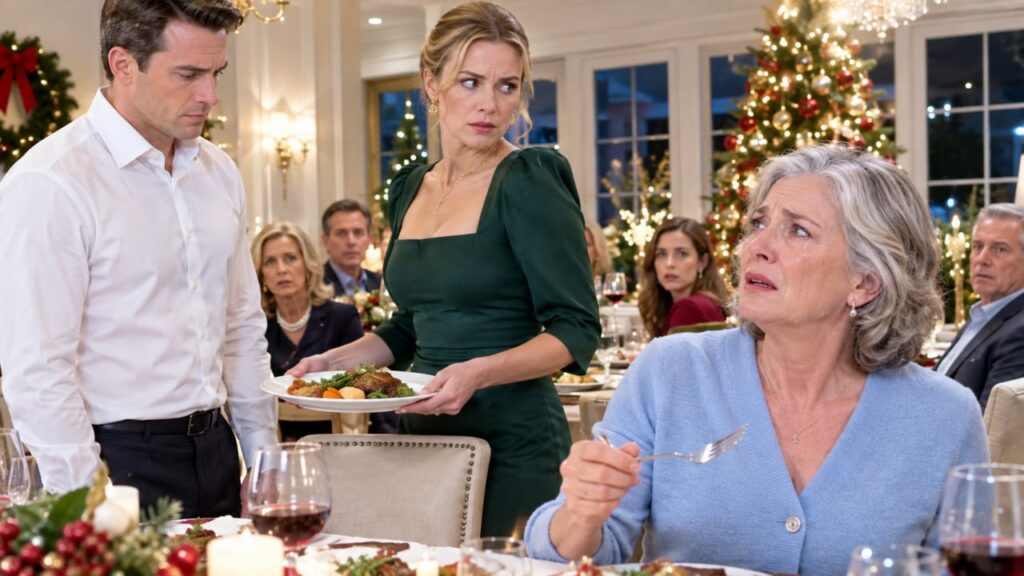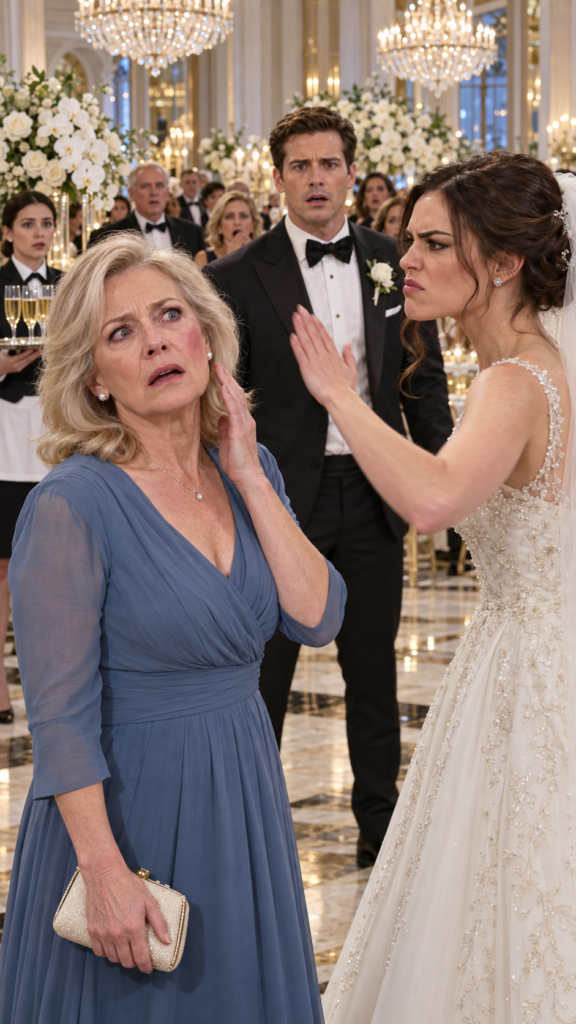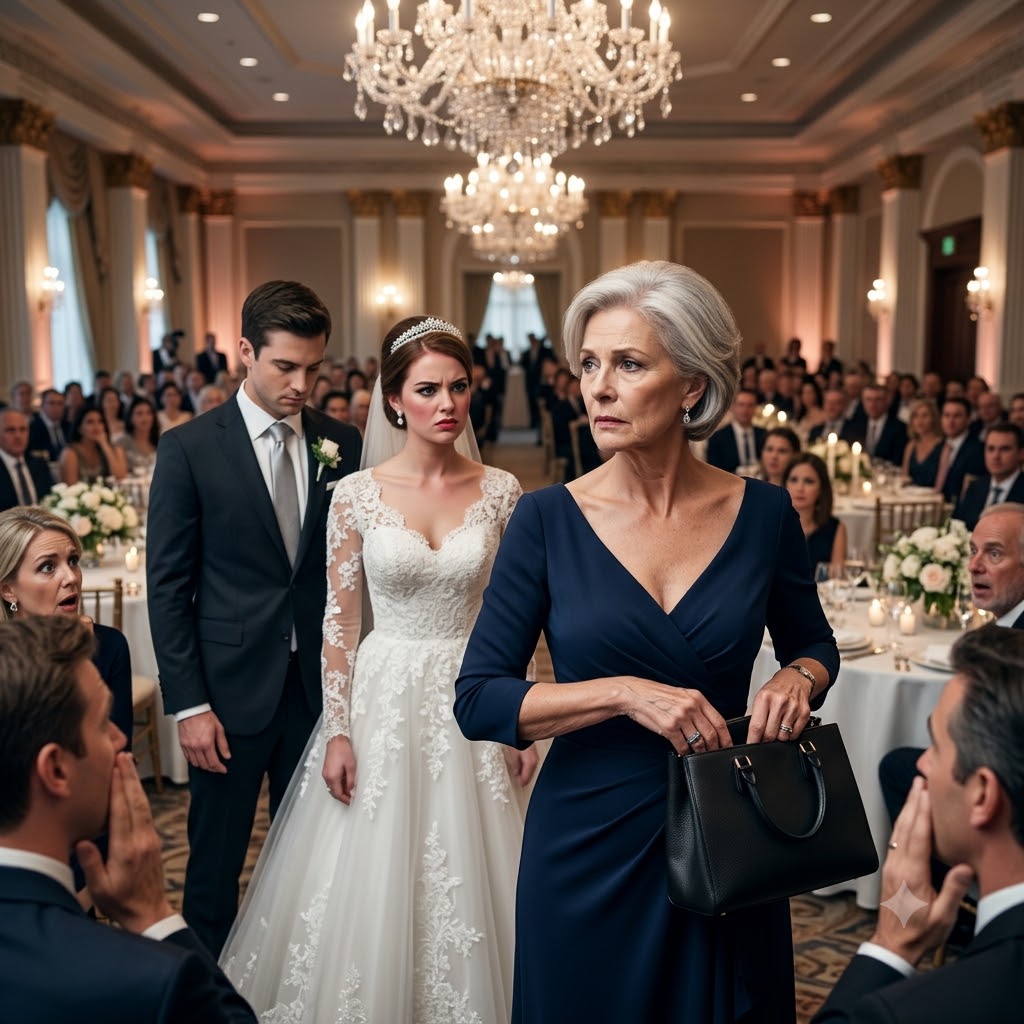
My name is Margaret Bennett, I’m sixty-two, widowed, and I was still feeling the sting across my face when the entire ballroom fell silent beneath the crystal chandeliers in front of 250 guests after my daughter-in-law Tiffany slapped me at the wedding I had helped pay more than $45,000 for and said, “You need to leave. You’re ruining the mood.”
For nearly a year I had convinced myself that everything I was giving up was just what a mother does for her only son. The wedding was supposed to be modest, about eighty people at a restaurant, but every few weeks something changed and eighty guests became 250, the restaurant became a private estate, and simple flowers became imported roses and orchids, with luxury cars, premium wine, professional lighting, personalized favors, a designer cake, extra photography, and even a farewell brunch added on top.
Whenever I hesitated, Daniel would come to me quietly and say, “Mom, please. Tiffany only gets married once.” He never demanded the money outright, which made it harder to say no, and disappointing my son always felt worse than opening my checkbook one more time.
That money had to come from somewhere. My late husband Thomas and I had spent years dreaming of traveling through Scotland together, and after cancer took him I decided I would go myself with the little notebook where he had written down all the places we planned to visit. Then another wedding expense came up, Daniel asked for help, and I canceled Scotland, telling myself I could travel later.
Eventually I made a sacrifice Daniel never even knew about. I sold six acres of Bennett family land that had belonged to Thomas’s family for four generations, signed the documents on a Thursday morning, and then sat alone in my car and cried so hard I couldn’t drive.
The final argument was over champagne. Tiffany wanted Laurent Reserve for her father Richard’s toast, an almost $2,000 upgrade over the champagne already included in the package, and after everything I had spent I finally removed it from the order. She confronted me near the ballroom during the reception with Richard and her mother Elaine close by, and when I said I had canceled it, Richard brushed off the $2,000 as nothing and Elaine called me cheap.
I looked at Richard and said, “If two thousand dollars is nothing, then you can pay for it.” Tiffany moved closer and said this was her wedding and she should have what she wanted, and then Daniel appeared beside us with that same pleading look and said, “Mom, please. Can you just add the champagne?” I said, “No.” She said, “What?” I said, “I said no,” and then she told me I was ruining her wedding and her hand came across my face hard enough to turn my head and make the band stop mid-song.
I turned and looked at Daniel, but he didn’t move toward me, didn’t tell his wife she had crossed a line, and didn’t ask if I was okay. He just stood there waiting for me to let it go, and that hurt more than the slap.
I reached into my handbag, pulled out my phone, and called Claire, the event coordinator. “Which remaining services tonight are still under my name and haven’t been fully paid?” Claire hesitated, then listed late-night catering, additional bar service, transportation upgrades, floral additions, photography overtime, and the farewell brunch. Daniel stepped toward me and said, “Mom…” I lifted my hand and said clearly, “Claire, cancel everything that can still legally be canceled under my authorization. And there will be no additional charges placed on my card.”
Tiffany went pale and said, “You can’t cancel my wedding.” I slipped the phone back into my bag and said, “I’m simply no longer financing people who believe they can h.i.t me and still send me the bill.” Richard immediately called me vindictive while Elaine looked horrified and nearby guests pretended not to stare, and then Daniel quietly asked, “How much is left?” I looked at him and said, “I suggest you speak with the coordinator,” then turned and walked toward the ballroom doors with Daniel following me outside.
At 7:13 that morning, headlights moved across my driveway.
I was sitting at the kitchen table with a cup of coffee that had gone cold hours earlier, my hands wrapped around the mug anyway because the warmth was the only thing keeping me from shaking. Thomas’s leather notebook lay open beneath my palm, and I had been staring at the same page for so long that the words had stopped meaning anything. Edinburgh. The Highlands. The Isle of Skye. A tiny village on the western coast he had circled twice in blue ink.
The headlights swept across the window, and I didn’t have to look to know who it was. I had known he would come. I had known it the way I had known every other thing about my son for thirty-one years—not because he had told me, but because I had spent his entire life learning to read him the way you read weather coming in off the water.
Daniel sat in his car for several minutes.
I watched him through the window above the sink. The engine cut off, and then nothing. Just the shape of him behind the windshield, his hands on the wheel, his head bowed. The sky was still that bruised gray that comes before full sunrise, and the roses Thomas had planted along the fence line moved in the wind like they were having a conversation I wasn’t part of.
I poured myself fresh coffee. I didn’t pour him any yet. I wanted to see whether he would knock.
He did. Quietly. Three soft taps, as if he were afraid of what he might wake.
“Come in.”