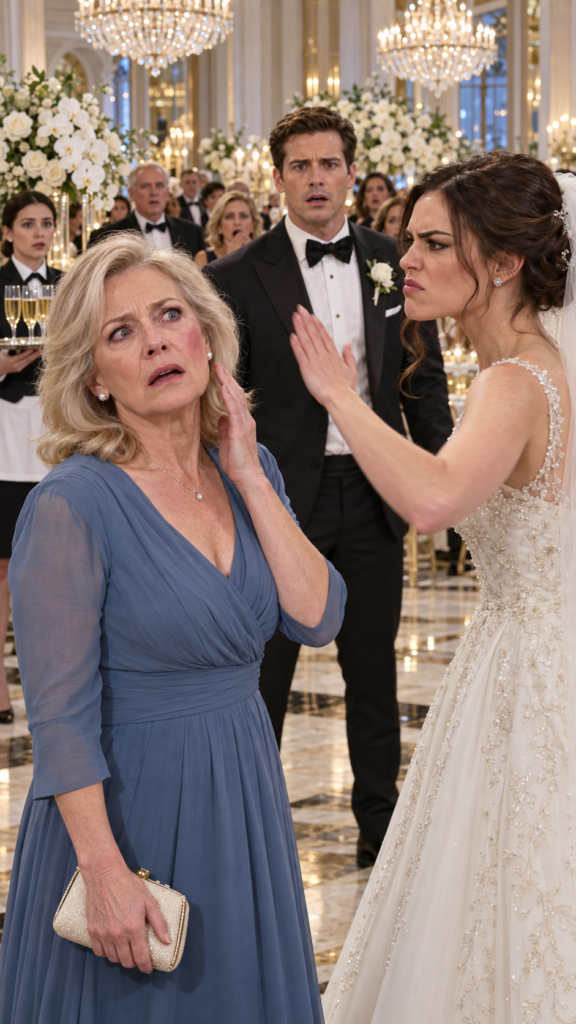
There was no question mark at all. That was what stopped me cold.
“We’re spending spring break at your beach house — my kids, my mom, and me. Stock the fridge by Thursday.”
I read Vanessa’s message twice before I let myself react. My name is Clara Whitaker. I am sixty-six years old, a widow, a mother of two grown children, and for most of my life I believed being easy to get along with was one of my better qualities.
Women of my generation were trained that way, though we did not call it training at the time. We called it being gracious. Being flexible. Not making a fuss and keeping the family together.
There was no “Would it be all right?” No “Are you using the house that week?” No “Could we talk about maybe taking the kids down for a few days?” Just a declaration, as if a house I had spent half my adult life paying for would simply open because my daughter-in-law had decided she needed it.
I replied with one word: “No.” She sent three laughing emojis and wrote, “We’re coming anyway. What are you going to do?”
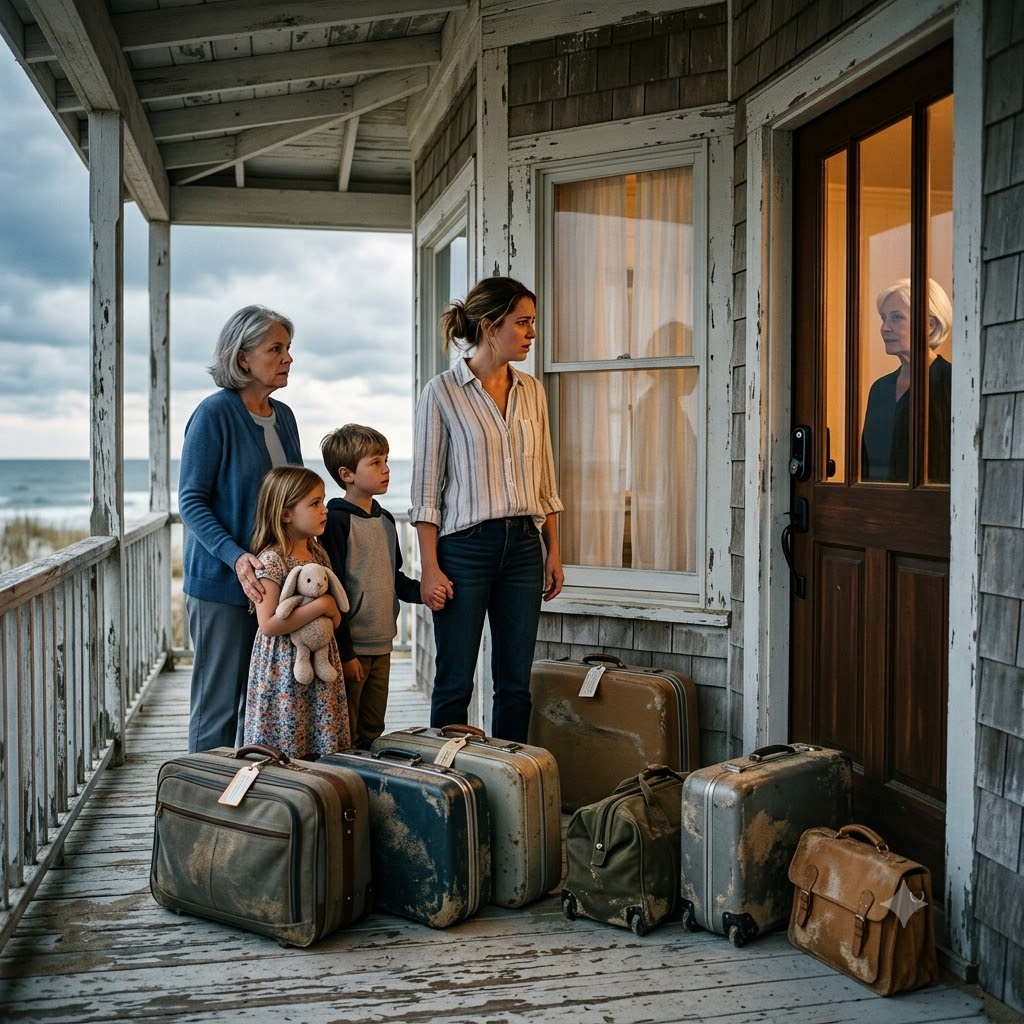
The beach house was on Oak Island, North Carolina. It was not large and it was not grand. It did not have a pool, a chef’s kitchen, or one of those rooftop decks where people take sunset photos with wineglasses in their hands. It was a weathered blue-gray cottage on low pilings, tucked behind a line of sea oats, with a screened porch that hummed in summer, a narrow outdoor shower, and floorboards that creaked in ways I knew by heart.
The kitchen tile was yellow and chipped near the back door. The windows stuck when the air got heavy with salt. The upstairs bedroom always smelled faintly of cedar, sunscreen, and old quilts, and the porch steps needed repainting nearly every spring.
My husband, David, bought it with me twenty-two years earlier after nearly a decade of saving. He had been a general contractor before his knees gave out, the kind of man who carried a tape measure the way other men carried wallets. On our first walk-through he ran his hand along the doorframe and said, “Clara, it has good bones.”
We did not take vacations for three years after that. I kept my car eight years longer than I wanted. David picked up side jobs, I worked extra hours at the county records office, and we paid that little beach house off one month at a time.
It became our place. Our son Ethan learned to fish from the pier near the marina, our daughter Lily collected shells and arranged them by mood, and David taught both children how to check tide charts and rinse sand off their feet. In the evenings after the kids fell asleep, David and I sat on the screened porch and listened to the ocean.
Then David died. A stroke took him in late October, sudden and merciless. One afternoon he was in the garage sorting screws into old coffee cans, and the next morning I was sitting in a hospital hallway with a paper cup of coffee gone cold in my hand while a doctor explained what “no meaningful brain activity” meant.
People say grief comes in waves. That is true, but they do not tell you that some waves arrive while you are doing very ordinary things.
Buying milk.
Folding socks.
Seeing his handwriting on a label in the garage.
Hearing a truck downshift on the road and thinking, for one impossible second, he is home.