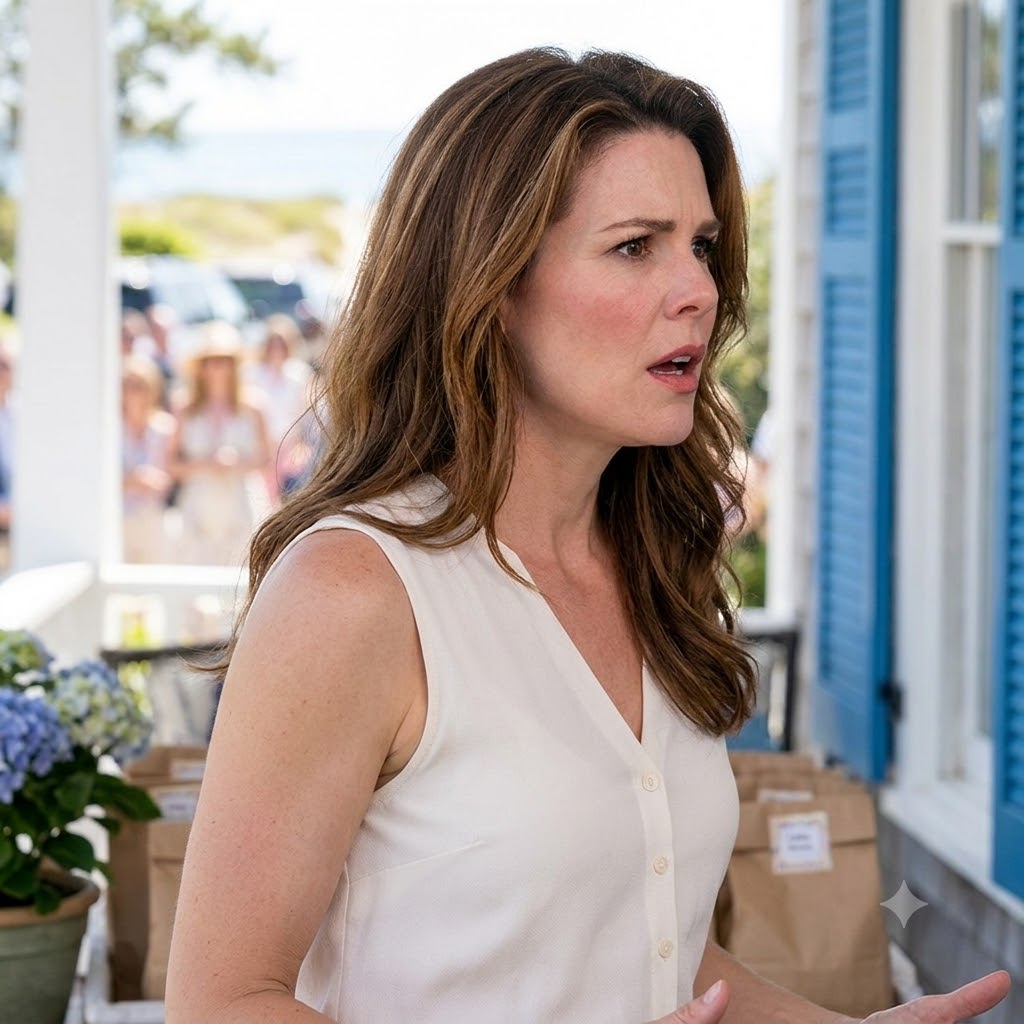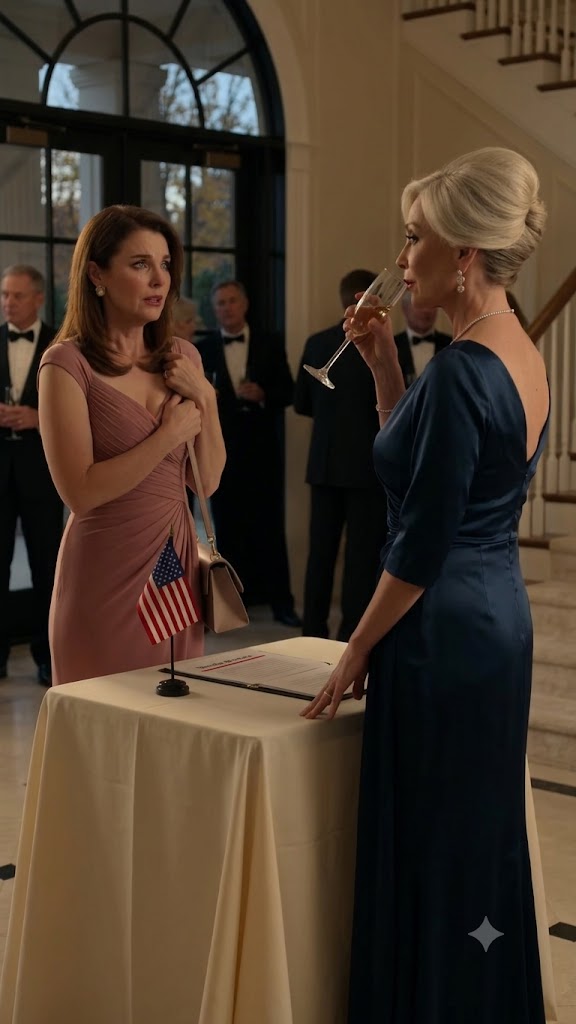
Then Eleanor took control. She convinced Khloe that a hotel ballroom in Boston was too ordinary and arranged a visit to Grand Oaks Manor, an estate near the South Carolina coast with marble floors, formal gardens, and an oak-lined drive. The venue cost more than Khloe and Daniel could reasonably afford. Eleanor called me crying.
“Your sister has had such a hard few years,” she said. “This is the one day she should not have to compromise.”
Khloe had not had a particularly hard few years. She had a stable job, a loving fiancé, and a comfortable apartment. But Eleanor had always presented her desires as needs.
“How much are you short?” I asked.
“It isn’t that simple.”
It never was. The estate required a substantial deposit, a catering guarantee, and a credit authorization for the ballroom, bar package, flowers, and transportation. Eleanor’s available credit could not support the holds. My firm had an events division and a corporate purchasing account with generous limits. After reviewing the terms, I agreed to act as the primary guarantor for the venue and approved several wedding-related charges as my gift to Khloe.
I read the venue’s terms the same way I would read a client agreement. The deposit and scheduled charges were clear. So were the categories that could grow quickly if nobody watched them. I wanted the staff to be paid, Khloe to have a beautiful celebration, and Eleanor to understand which decisions she could make without returning to me for approval. There was nothing secret about the arrangement. I expected adults who signed the same document to understand that a generous gift still had boundaries. Eleanor thanked me warmly enough that I believed she understood.
I did not hand Eleanor a blank check. The contract listed approved categories and spending ceilings. Any significant change required my written authorization. Eleanor signed as an event representative and authorized user. She thanked me with tears in her eyes.
“You’re saving the wedding.”
I should have corrected her. I was supporting my sister. I was not surrendering control of my finances. Over the next six months, the guest count increased. The floral package doubled. Eleanor changed the bar service from standard to premium and added a private champagne reception for selected guests. Each time, she said the modification was minor. Each time, I received an updated invoice after she had already promised the service.
I could picture how the conversations with vendors must have gone, because the invoices often arrived as if a decision had already become irreversible. There would be a floral display that looked stunning in a photograph, or a hospitality option introduced as though it were part of the original package. When I asked whether the numbers had changed, the answer always returned to what guests might think. I kept trying to discuss the figures calmly. Eleanor kept returning to appearances, as if a disappointed guest would be a greater disaster than committing someone else’s money without permission.
When I objected, she accused me of turning Khloe’s wedding into a business transaction.
“It is a business transaction,” I reminded her. “The vendors are businesses.”
“You know what I mean.”
I did. She wanted me to pay without appearing to notice. Two weeks before the ceremony, the venue sent a revised estimate showing a final balance of forty-five thousand dollars. More than half came from upgrades I had not approved in writing. I called Eleanor.
“You need to place your own card on file for the additional services.”
“The money is already committed.”
“Not by me.”
“We cannot remove things now. People will notice.”
“Then you need to pay for them.”
She became quiet.
“After everything your father and I did for you, I never imagined you would count pennies at your sister’s wedding.”
The amount was not pennies. But the deeper manipulation was the suggestion that my adoption had created a permanent debt. I still did not withdraw. I told the venue I would cover the original approved package and asked them to separate all later upgrades into a secondary authorization requiring Eleanor’s payment before the reception. The finance director, Michael Kent, confirmed the arrangement by email. Eleanor was copied. She never replied. I assumed that meant she understood.
Standing in the Grand Oaks parking lot after being removed from the guest list, I realized she had understood perfectly. She simply believed I would pay anyway. I sat inside my car with both hands on the steering wheel. Through the windshield, guests in tailored suits and bright dresses walked toward the glass entrance. White lilies lined the steps. A shuttle from the hotel stopped beside the fountain, releasing another group of people who had all been granted something my mother had decided I did not deserve. Entry.