PART 2- THE PRICE OF EVERY YES
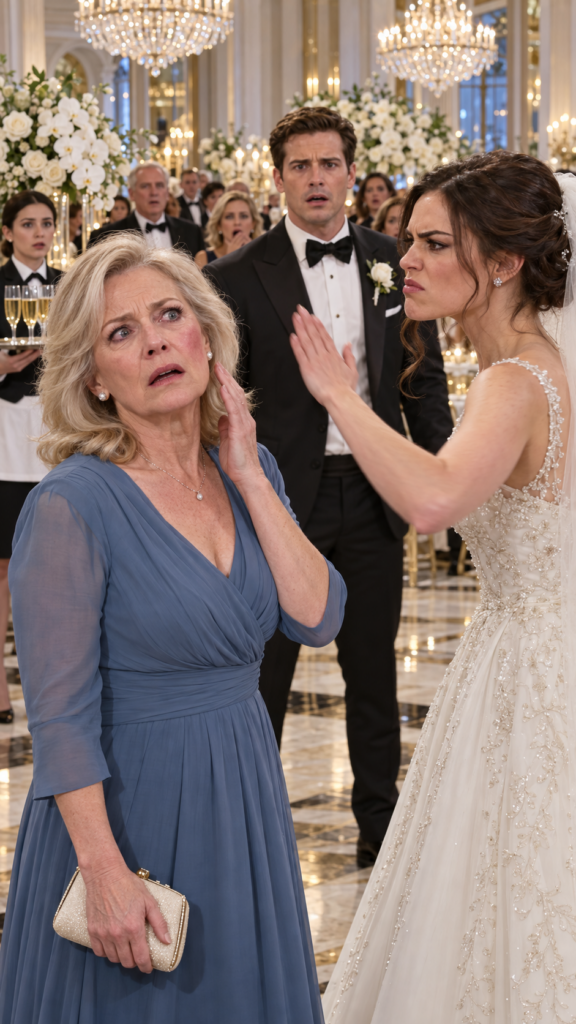
I did not go back into the ballroom.
I sat outside for almost fifteen minutes before ordering a car home.
During those fifteen minutes, Daniel called me three times.
I watched his name light up my phone.
I did not answer.
Then came a message.
Mom, please come back inside.
A second message followed.
We can talk tomorrow.
Then:
Please don’t ruin the whole night over this.
I stared at those words for a long time.
Over this.
As if the slap had been a spilled drink.
A rude comment.
A seating mistake.
I typed three different replies and erased all of them.
Finally, I wrote:
I am going home. Enjoy your wedding. We will talk when you are ready to discuss what actually happened.
I sent it.
Then I turned my phone facedown.
On the drive home, I kept touching my cheek.
The swelling was mild.
The embarrassment was not.
Every red light gave me another chance to replay the moment.
Tiffany’s expression.
The sound.
Daniel’s silence.
Mom, please. Let’s not make this worse.
By the time I reached my house, something inside me had shifted from shock to exhaustion.
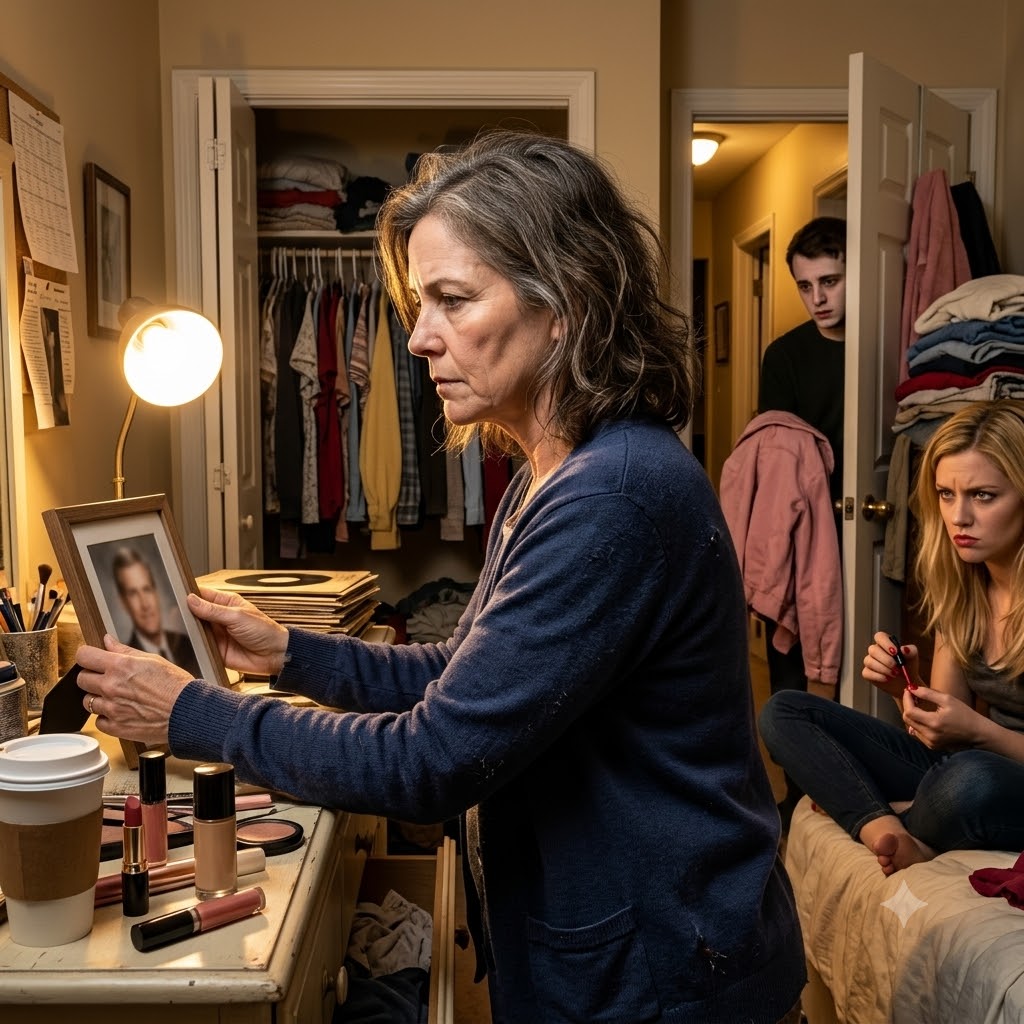
I unlocked the front door and stepped into rooms that had been too quiet for three years.
Thomas’s jacket no longer hung by the door.
His shoes were gone.
His reading glasses were not on the side table.
But grief had left its own furniture behind.
Habits.
Memories.
Spaces my eyes still checked automatically.
I went into the kitchen and poured a glass of water.
That was when I saw the folder.
Wedding receipts.
I had left it on the counter that morning because one final payment for the farewell brunch was due Monday.
I stared at it.
Then sat down.
The folder was thick.
Venue deposit.
Florist.
Transportation.
Lighting.
Wine.
Cake.
Band.
Rental upgrades.
Bridal dress contribution.
Photographer contribution.
Additional guest charges.
Every piece of paper represented a moment when I had told myself, Just this once.
The phrase looked ridiculous in retrospect.
Nothing had happened just once.
That was the trick.
Each request appeared small compared with the whole.
And because I never stopped to add up the emotional cost, I kept agreeing.
I opened the folder and spread the receipts across the table.
The numbers were familiar, but that night they looked different.
They looked like choices.
I remembered the first major increase.
Tiffany had called me one afternoon.
“The estate is available,” she said.
I could hear excitement in her voice.
“That’s wonderful.”
“There’s just one issue.”
There was always just one issue.
The deposit exceeded what they had budgeted.
Daniel later called separately.
“Mom, I know it’s a lot.”
I had hesitated.
He became quiet.
Then he said, “She’s had a hard year. I want this to be special.”
And because I loved him, I transferred the money.
The next increase involved flowers.
Then wine.
Then guest count.
Then transportation.
Every conversation ended the same way.
My concern became evidence that I was making things difficult.
My agreement became proof that everything was fine.
I leaned back in my chair.
Thomas would have noticed before I did.
Not because he was suspicious.
Because he had been better at boundaries.
He could say no without turning it into a moral crisis.
I remembered a Christmas years earlier when Daniel, then twenty-four, wanted us to help pay for a car he could not realistically afford.
I was ready to give him the money.
Thomas said no.
Daniel became angry.
I accused Thomas privately of being too hard on him.
Thomas listened.
Then he said, “Helping someone isn’t always the same thing as removing every consequence.”
I had forgotten those words.
Or maybe I had chosen to forget them after he died.
Grief changes the weight of relationships.
When your husband dies and you have one child, that child can begin to feel like the last living bridge to your old life.
I had become terrified of conflict with Daniel.
Not consciously.
I never thought, If I say no, he’ll leave me too.
But somewhere beneath every compromise, that fear existed.
So I became easy.
Available.
Flexible.
Generous.
And over time, people began confusing my kindness with permission.
I stood and walked into the living room.
On the bookshelf sat a framed photograph of Thomas standing beside a lake in Maine.
He was fifty-eight in the picture.
Windblown gray hair.
Old navy jacket.
Camera hanging from his neck.
He had been obsessed with photography.
For almost fifteen years, we had talked about Scotland.
The Highlands.
Skye.
Glencoe.
Little coastal villages.
Old stone bridges.
Cold gray sea.
Thomas used to joke that he planned to take so many photographs I would eventually abandon him beside a mountain.
We had a savings account for the trip.
Not huge.
But enough.
Then his health changed.
The trip was postponed.
Then postponed again.
Then there were hospital bills.
Then he died.
For nearly a year afterward, I could not even look at Scotland photographs.
Eventually, the grief softened enough that I began thinking about going alone.
It felt impossible at first.
Then strangely right.
I told Daniel about it one evening.
“You should go,” he said.
Thomas would want you to.
I began researching.
A small group tour.
Edinburgh.
The Highlands.
Isle of Skye.
A village hotel overlooking the water.
I almost booked it.
Then the wedding expenses increased.
I told myself Scotland could wait.
I had already waited three years.
What was one more?
The irony sat beside me now like another person.
I had postponed a dream I shared with my dead husband so I could pay for imported orchids at a wedding where the bride eventually slapped me.
I covered my face with both hands.
For the first time that night, I cried.
Not because Tiffany hit me.
Not only because Daniel failed me.
I cried because I finally saw my own role in what had happened.