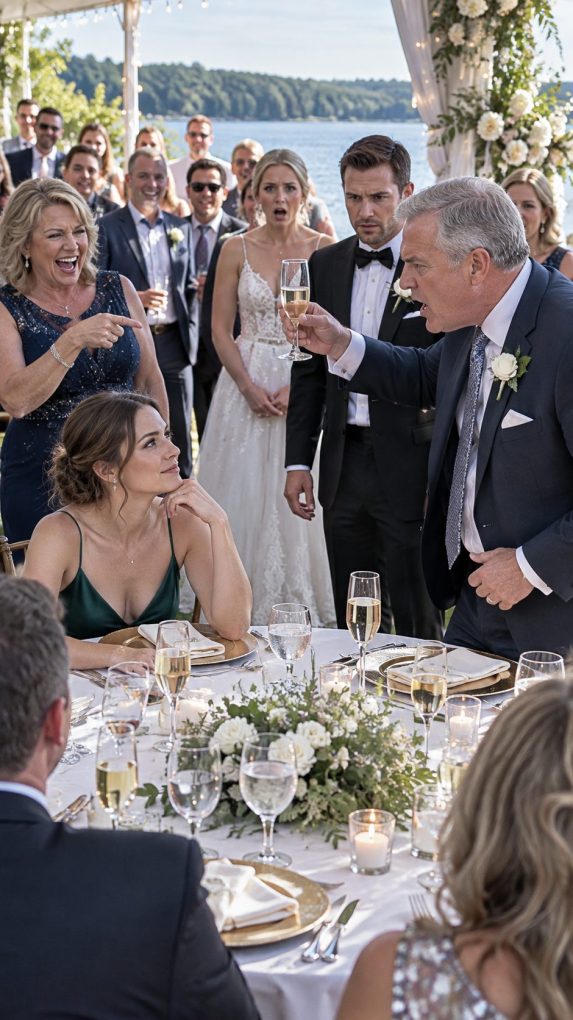
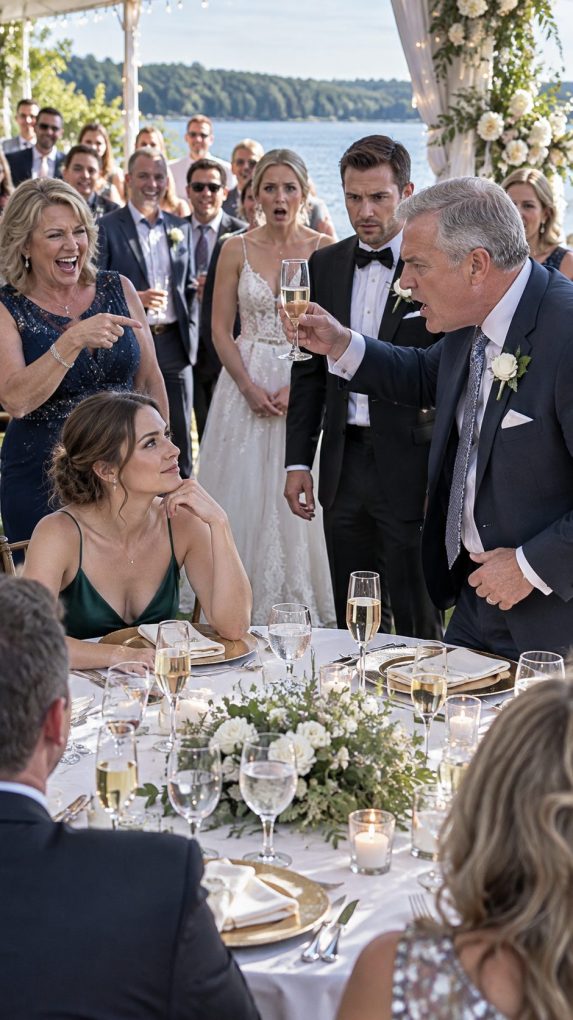
“We sold your land for your brother’s wedding,” Dad texted. “The deposit covered the venue. You should be happy for Ethan.”
I was sitting in my car outside a pharmacy in Lancaster, Ohio, with a bag of groceries on the passenger seat. I read the message twice, then smiled—not because anything was funny, but because Dad had apparently forgotten what a deed was.
My phone rang before I could answer.
“What’s so funny?” he demanded when I picked up, hearing the small laugh I couldn’t quite suppress.
“Because that land was never yours to sell.”
He exhaled sharply. “Don’t start, Hannah. It belonged to your grandfather. That makes it family property.”
“My grandfather put it in my name six years ago.”
“Paperwork,” Dad said. “You know what he meant.”
I looked down at the grocery receipt in my lap. Grandpa had handed me the recorded deed at his kitchen table, beside a chipped blue mug he used every morning. He’d wanted me to keep the eleven acres with the old apple trees and the creek where we’d spent Saturdays clearing fallen branches. He knew my father saw every piece of land as something to trade.
Since Grandpa died, I’d paid the property taxes, repaired the gate, and turned down two offers from developers. Dad had contributed nothing except opinions.
My younger brother, Ethan, was getting married in five weeks. I’d already offered to make the centerpieces and pay for his wedding cake. Apparently that wasn’t enough. The reception they wanted cost more than Ethan earned in six months.
“Who bought it?” I asked.
“Mr. Wallace. Twenty-eight thousand down, balance at closing. Stop acting like we’re stealing from you.”
My hand tightened around the phone. Mark Wallace lived two roads over. His daughter had once fed Grandpa’s chickens while we were away.
“Did you tell him you owned it?”
“I signed the agreement. It’s handled.”
“Dad, listen carefully. Don’t spend another dollar.”
His voice turned cold. “I won’t be lectured by my own daughter.”
He hung up.
At home, I pulled Grandpa’s deed from the fireproof box beneath my bed. My name was right there, followed by the county recording stamp. I took photographs, checked the current land records, and called the attorney who had helped Grandpa prepare the transfer.
That afternoon, she called back after speaking to Wallace’s representative.
“Hannah,” she said carefully, “your father sent them a document saying you authorized the sale.”
“I never signed anything.”
“I know. But someone signed your name.”
By Monday morning, my attorney, Sarah Novak, had sent written notice to Mark Wallace and his closing agent that I had not authorized any sale. The county records still showed me as the sole owner. No deed had been transferred, and Sarah told me not to confront anyone about the signature until we’d preserved the documents.
I spent Sunday night staring at the copy she’d forwarded. It was a one-page authorization letter, not a power of attorney, with my name at the bottom in handwriting that looked almost right. It had the same long loop on the H as a birthday card I’d once sent Mom. The date was two months earlier, when I’d been helping Ethan choose a photographer and Dad had been asking strange questions about whether I kept my papers at home.
At noon, Ethan called.
“Dad says you’re threatening to ruin the wedding.”
“Did he tell you he sold land he doesn’t own?”
“He said Grandpa wanted us to share it.”
“Grandpa gave it to me. The deed’s recorded.”
Silence. Then Ethan said, “They already paid the deposit on the reception. If this falls apart, we lose it.”
I remembered teaching him to ride his bicycle along Grandpa’s gravel driveway. He’d fallen hard once, and I’d sat beside him until he could stop crying. For a second, I wanted to fix this too.
“Ask Dad where Wallace’s money went,” I said. “And ask why anyone signed my name.”
Mom arrived that evening holding a container of chicken casserole, as though feeding me would make the conversation easier. She set it on the counter and said, “Your father made a mistake. He was only trying to help your brother.”
“Whose handwriting is that?” I asked, placing the letter beside her casserole.
She didn’t touch it.
“Hannah, please. The guests have booked hotels.”
“Mom.”
Her eyes moved to the signature, then to the window. “He said you’d agree once it was done.”
I felt something settle painfully in my chest.
She knew.
On Tuesday, we met Wallace and his real estate attorney in a small conference room. Wallace was sixty-eight, recently widowed, and wanted to build a house closer to his daughter. He’d paid Dad a $28,000 advance directly, trusting a neighbor he’d known for years. His lawyer had only been hired to handle the closing afterward.
Sarah placed the recorded deed beside the supposed authorization.
“My client never signed this, and she is not selling.”
Wallace looked at Dad. “You told me Hannah agreed.”
Dad opened his mouth, but Mom spoke first.
“Frank,” she whispered, “tell them whose idea the letter was.”
Dad stared at the table. Ethan, who had insisted on coming, slowly pushed his chair back. I could hear the air conditioner rattling above us and the scrape of Wallace’s wedding ring against his coffee cup.
“Frank,” Mom repeated, “tell the truth.”
Dad finally said, “I wrote it. Elaine signed Hannah’s name. We thought she’d come around.”
Mom began to cry. I didn’t. I was watching the way Dad kept his eyes on Wallace instead of me, as though he still believed this was a negotiation about price.
Wallace’s attorney ended the meeting. No closing would take place. He demanded repayment of the advance, and Sarah explained that my title remained unchanged. She advised me to preserve the forged letter, messages, and payment records; the false authorization could have serious legal consequences even though no deed had been recorded.
Outside, Ethan caught up to me beside my car.
