Outside, ordinary people continued their ordinary lives. A bus passed, somebody laughed at a joke, and a phone rang behind a closed door. The contrast felt cruel at first. Then it steadied me. There was a world beyond this crisis, and whatever came next would have to leave room for it. I had spent years learning how to remain useful when I was afraid. That did not make me fearless. It gave me something practical to do with fear.
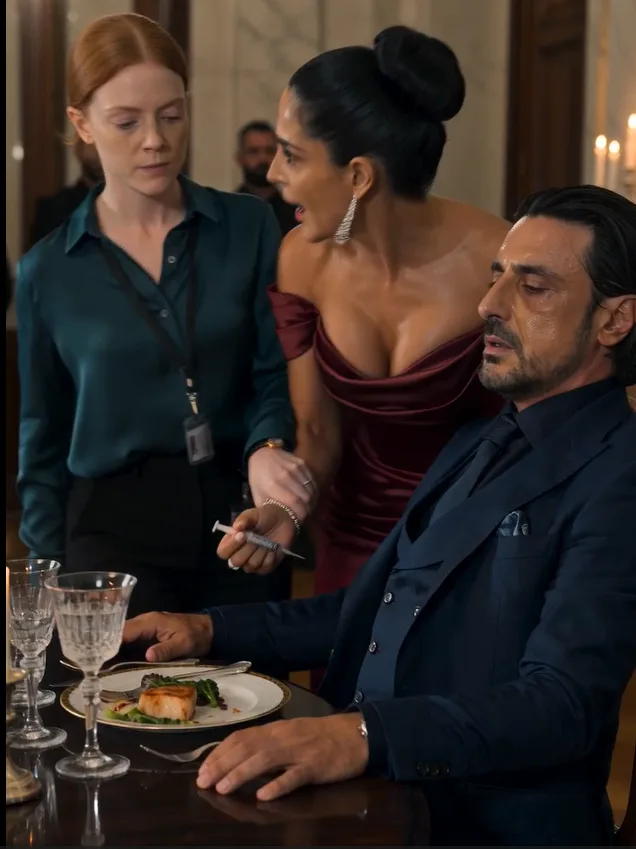
That was when I realized the question had changed. In Moretti mansion dining room, the details kept pulling me back to the same lesson: I could not protect anyone by pretending a frightening possibility was already a fact. Luca’s blood sugar is dangerously low; a second unsigned document reveals an emergency transfer of his waterfront holdings. I checked what I knew against what I had written, and where the record ended, I said so. It was an uncomfortable discipline, especially with Luca’s life and my own livelihood tangled together.
“Tell me what you know,” Luca said. “Only what I can prove,” I answered. His answer never made the situation simple. We had to decide whether to trust a document, a witness, or a memory, and sometimes the honest response was to wait for corroboration. I thought about how Vanessa had controlled the room by speaking first and loudly. I had nearly allowed her certainty to become mine. Instead I asked another question, listened carefully, and refused to let embarrassment decide what happened next.
Outside, ordinary people continued their ordinary lives. A bus passed, somebody laughed at a joke, and a phone rang behind a closed door. The contrast felt cruel at first. Then it steadied me. There was a world beyond this crisis, and whatever came next would have to leave room for it. I had spent years learning how to remain useful when I was afraid. That did not make me fearless. It gave me something practical to do with fear.
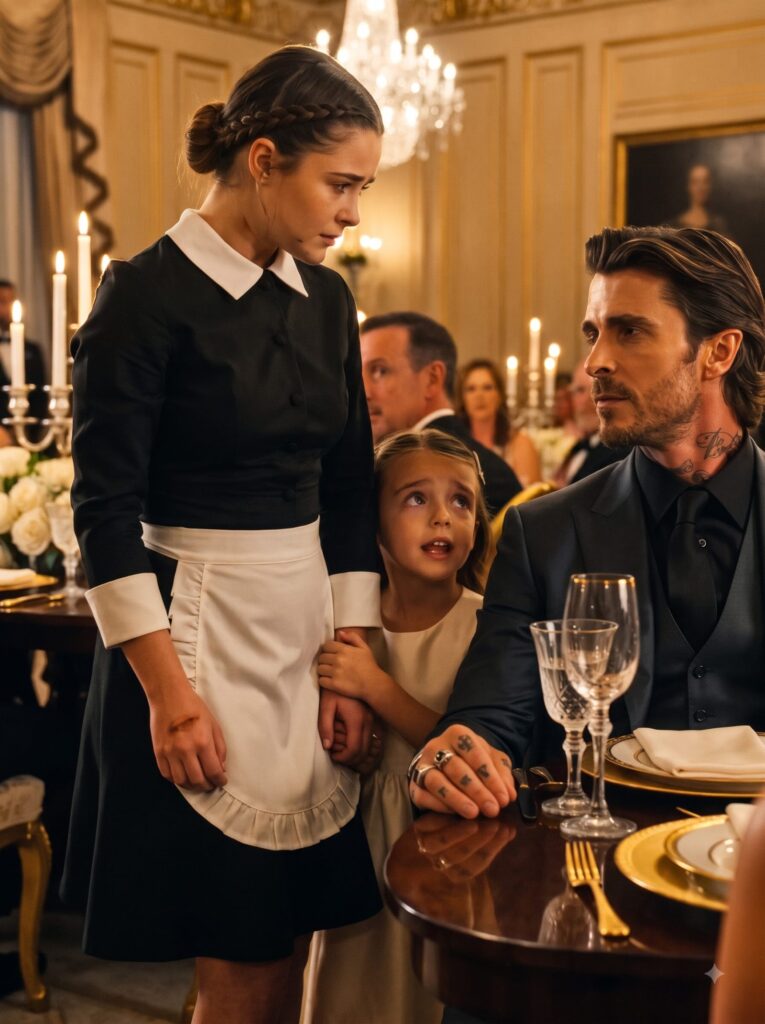
I wanted a simple villain. The evidence insisted on a complicated story. In Moretti mansion dining room, the details kept pulling me back to the same lesson: I could not protect anyone by pretending a frightening possibility was already a fact. Vanessa and attorney Julian Mercer claim I am unstable. I checked what I knew against what I had written, and where the record ended, I said so. It was an uncomfortable discipline, especially with Luca’s life and my own livelihood tangled together.
“Are you frightened?” he asked. “Yes,” I said. “That does not make me wrong.” His answer never made the situation simple. We had to decide whether to trust a document, a witness, or a memory, and sometimes the honest response was to wait for corroboration. I thought about how Vanessa had controlled the room by speaking first and loudly. I had nearly allowed her certainty to become mine. Instead I asked another question, listened carefully, and refused to let embarrassment decide what happened next.
Outside, ordinary people continued their ordinary lives. A bus passed, somebody laughed at a joke, and a phone rang behind a closed door. The contrast felt cruel at first. Then it steadied me. There was a world beyond this crisis, and whatever came next would have to leave room for it. I had spent years learning how to remain useful when I was afraid. That did not make me fearless. It gave me something practical to do with fear.
I could feel my pulse in my wrists, but I kept my voice level. In Moretti mansion dining room, the details kept pulling me back to the same lesson: I could not protect anyone by pretending a frightening possibility was already a fact. I save the injector and insist on a documented chain of custody. I checked what I knew against what I had written, and where the record ended, I said so. It was an uncomfortable discipline, especially with Luca’s life and my own livelihood tangled together.
“You could walk away,” Luca said. “I know. That is why staying means something.” His answer never made the situation simple. We had to decide whether to trust a document, a witness, or a memory, and sometimes the honest response was to wait for corroboration. I thought about how Vanessa had controlled the room by speaking first and loudly. I had nearly allowed her certainty to become mine. Instead I asked another question, listened carefully, and refused to let embarrassment decide what happened next.
Outside, ordinary people continued their ordinary lives. A bus passed, somebody laughed at a joke, and a phone rang behind a closed door. The contrast felt cruel at first. Then it steadied me. There was a world beyond this crisis, and whatever came next would have to leave room for it. I had spent years learning how to remain useful when I was afraid. That did not make me fearless. It gave me something practical to do with fear.