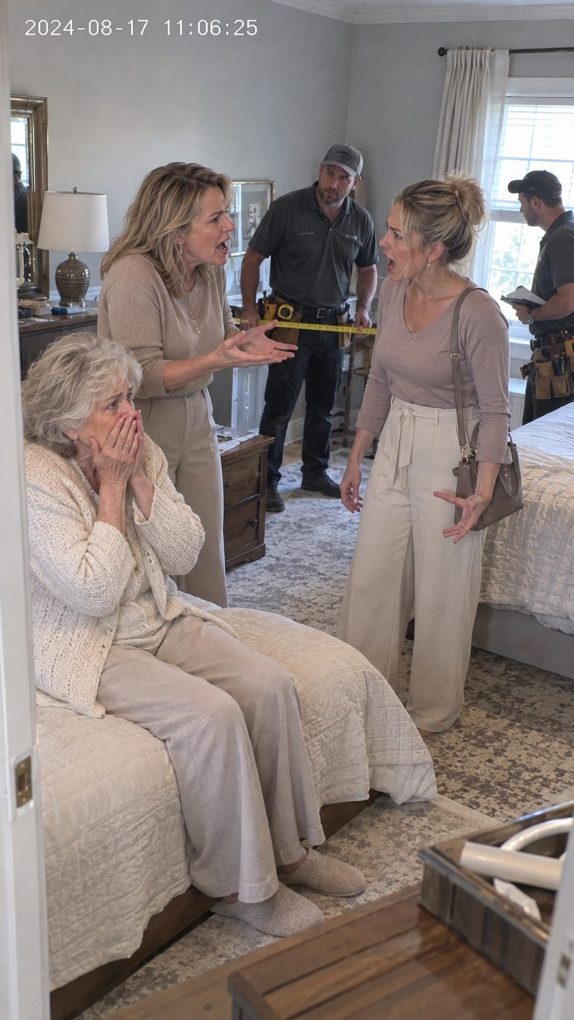
Mientras recogía la medicación de mi abuela, encontré a dos obreros midiendo su habitación. Uno llevaba un portapapeles y el otro marcaba la pared donde estaba su cómoda antigua. Al pedirles una explicación, me mostraron los planos de reforma de una suite principal. Mi madre había autorizado las obras y mi hermana, recién casada, figuraba como futura inquilina.
Me llamo Hannah Miller y mi abuela, Eleanor, tenía setenta y ocho años. Durante quince años, permitió que mis padres y mi hermana menor, Madison, vivieran en su espaciosa casa a las afueras de Columbus, Ohio, sin pagar alquiler. La abuela se hacía cargo de los impuestos sobre la propiedad, mientras que mis padres pagaban los servicios públicos y la comida. Sin embargo, mi madre había empezado a tratar la casa como si fuera su herencia personal.
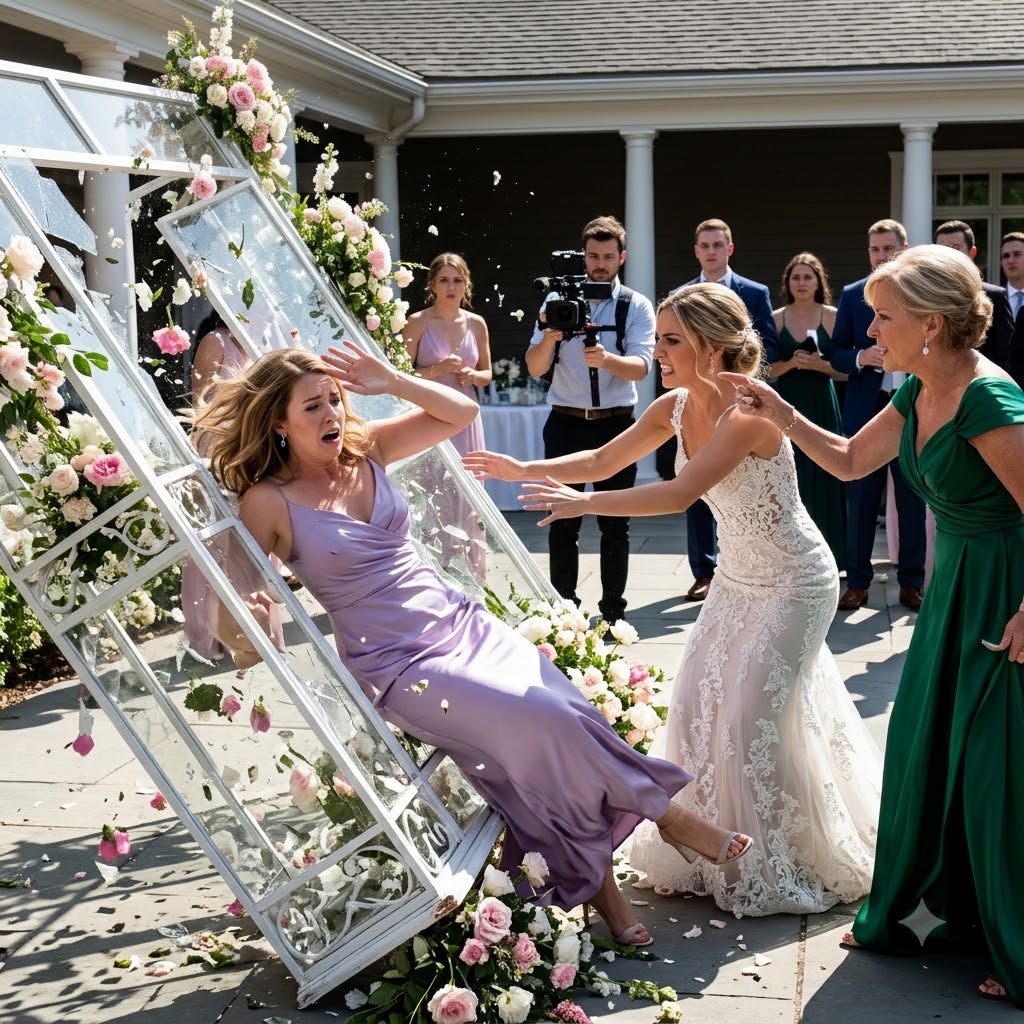
El fin de semana anterior, Madison se había casado con su esposo, Tyler, en un club de campo muy caro. La abuela pasó tres días arreglando el delicado encaje del vestido de novia de Madison después de que la tienda se negara a terminar los arreglos. En la recepción, Madison se burló públicamente del vestido barato de la abuela. Mi madre se rió y le dijo que se mantuviera alejada de las fotos profesionales.
La abuela se marchó temprano de la recepción sin quejarse. Cuando la visité esa tarde en su cuarto de costura, encontré sus telas, fotografías y máquina de coser guardadas en cajas de cartón. Una etiqueta escrita a mano indicaba que el destino era una residencia de ancianos. Nadie había mencionado que la abuela fuera a mudarse a ningún sitio.
Me enfrenté a mi madre en la cocina. Con calma, me explicó que Madison y Tyler necesitaban la habitación más grande porque planeaban formar una familia. La abuela, dijo, ya era demasiado mayor para mantener una propiedad tan grande. Le recordé que la abuela nunca le había pedido a nadie que se encargara del mantenimiento.
Mi madre golpeó la taza de café contra la encimera. Anunció que la abuela se mudaría a una residencia de ancianos en dos semanas y que Madison acabaría siendo la dueña de la casa. Cuando le pregunté si la abuela estaba de acuerdo, sonrió y dijo que a veces las personas mayores necesitan que sus familias tomen decisiones difíciles.
Llamé inmediatamente a la abuela, que se alojaba en casa de mi tía después de la boda. Se echó a llorar cuando mencioné las cajas. Nunca había accedido a irse definitivamente. Mi madre le había dicho que la casa necesitaba reparaciones temporales y que sus pertenencias estarían a buen recaudo.
Entré en el cuarto de costura de la abuela y abrí el cajón inferior de su viejo armario. Dentro de una carpeta encontré recibos de impuestos sobre la propiedad, documentos del seguro y una copia de la escritura registrada. La propietaria se llamaba Eleanor Miller. No había ningún fideicomiso ni transferencia que le diera la propiedad a mi madre.
When I showed my mother the document, she turned pale for a moment. Then she claimed Grandma had promised her the property years earlier. I told her that a promise was not a deed. Madison entered the kitchen and shouted that the contractors had already received a deposit.
That was when I noticed another document on the counter. My mother had scheduled a meeting with a real estate attorney to discuss transferring the house. Attached was a draft authorization bearing Grandma’s signature. I recognized the handwriting immediately, and it was not hers.
I photographed the suspicious document before my mother could take it away. She demanded that I delete the pictures and accused me of trying to ruin Madison’s marriage. Madison began crying, insisting that Tyler had already told his parents they would be moving into the house. Neither seemed concerned that Grandma had never agreed to surrender her home.
I left the property and drove directly to Aunt Rebecca’s house. Grandma was sitting beside the window, carefully mending a child’s sweater. When I showed her the renovation plans, her hands began trembling. She told me that my mother had recently asked her to sign several papers but had refused to explain what they contained.
Grandma also revealed that Madison had visited her two days before the wedding. She had demanded that Grandma stop wearing old-fashioned clothes and purchase something more suitable for the ceremony. Grandma explained that she had spent her available money replacing the house’s aging furnace. Madison responded that nobody wanted a poor-looking grandmother in the wedding photographs.
Rebecca contacted a local attorney, David Lawson, who specialized in property and elder law. He reviewed the deed and confirmed that Grandma remained the sole legal owner. The draft authorization had not transferred anything, but its questionable signature required investigation. He advised Grandma to preserve every document and prevent anyone from using her identity to authorize property transactions.
The following morning, David accompanied us to the county recorder’s office. The official records confirmed that no deed transferring ownership had been recorded. Grandma also signed written instructions revoking any previous permission for my parents to arrange renovations or property transactions on her behalf. David prepared formal notices for everyone involved.
Meanwhile, Madison posted photographs of the house on social media, announcing that she and Tyler were beginning renovations on their first family home. The comments congratulated them on their beautiful property. I showed Grandma the post, expecting anger. Instead, she quietly asked why Madison had never once thanked her for repairing the wedding gown.
That afternoon, David sent my mother a letter demanding that unauthorized renovations stop immediately. He also requested copies of any documents allegedly signed by Grandma. The contractors suspended their work after learning that the person who hired them was not the property owner. My mother called me repeatedly, threatening to cut me out of the family.