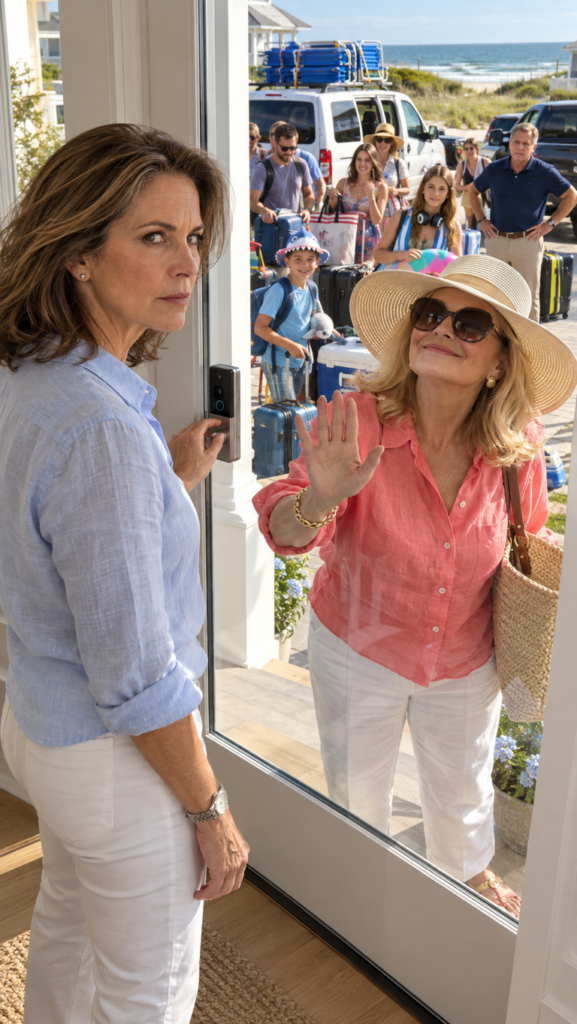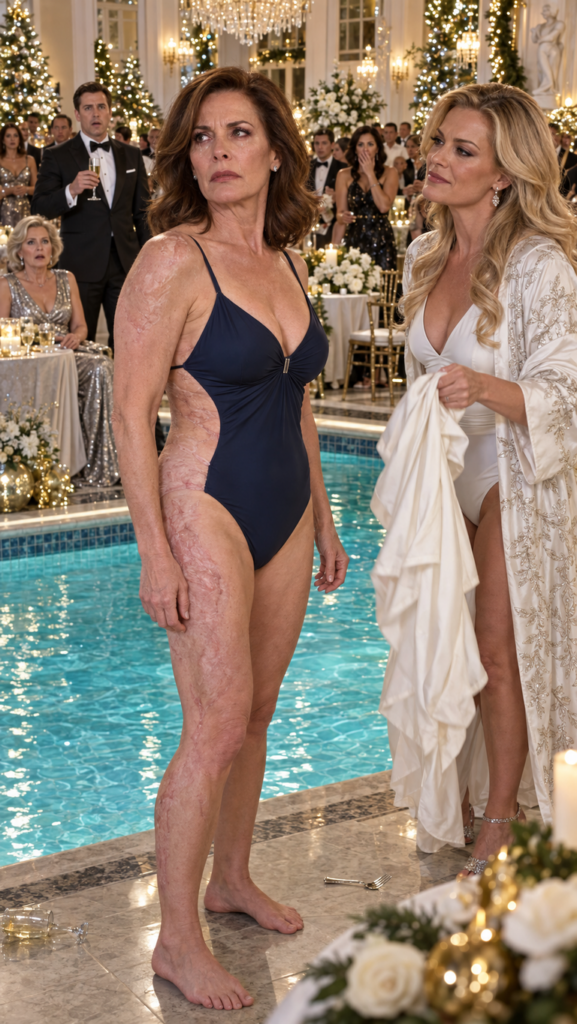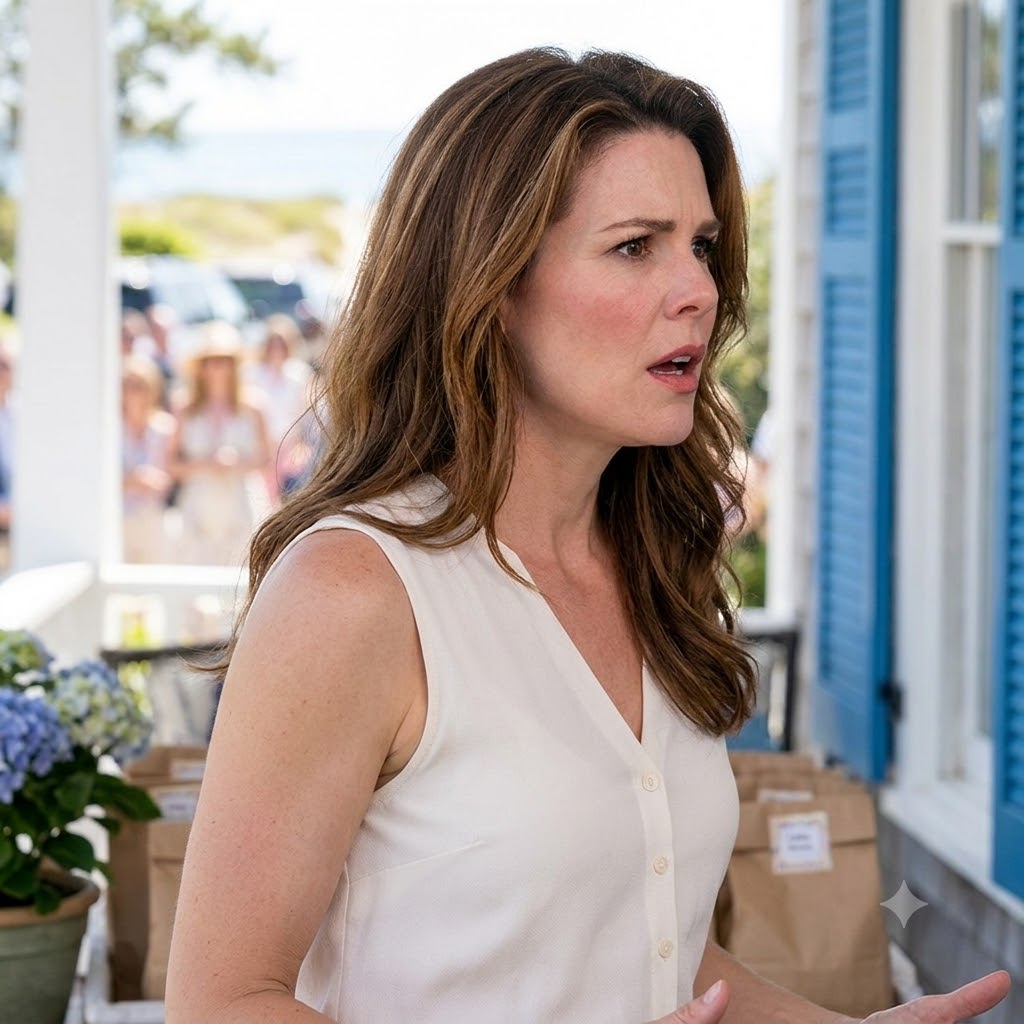
I signed last.
When the attorney handed them their keys, Brooke held hers silently for a long moment.
Then she looked at me.
“It’s ours.”
I smiled.
“Yes.”
She seemed to expect something more.
A warning.
A joke.
A reminder of what had happened.
I gave her none.
It was theirs.
That was the point.
As we walked outside, she stopped beside my car.
“Dorothy?”
I turned.
She struggled for several seconds.
Brooke had always been graceful when asking for things.
Apologies were harder.
“I shouldn’t have used your name.”
I waited.
“I shouldn’t have planned the party.”
Another pause.
“And I shouldn’t have assumed you would fix it once I had made it impossible for you to say no.”
That last part surprised me.
Maybe because it was the truest.
“Thank you,” I said.
She looked frustrated.
“That’s all?”
“What else would you like?”
“I don’t know.”
Neither did I.
We were not suddenly close.
I did not hug her.
She did not cry against my shoulder.
Forgiveness, when it came, was not cinematic.
It arrived in smaller things.
She began asking before bringing people to the cottage.
Bradley called instead of assuming holidays would be at my house.
The first Thanksgiving after the party, he asked, “Would you like to host this year?”
I said no.
He paused.
Then said, “Okay.”
I almost laughed from relief.
They hosted.
I brought pie.
I did not arrive early to cook.
I did not stay late to clean.
The plates were still stacked beside the sink when I put on my coat.
Brooke looked at them.
Then at me.
For one dangerous second, I thought she might ask.
Instead she said, “Drive safely.”
“Good night.”
“Good night, Dorothy.”
It was astonishing how much love could survive a simple boundary.
The following June, one year after I bought the cottage, I held a small anniversary dinner.
Eight people.
Not twenty-two.
Meredith came early because she had been invited early.
She brought hydrangeas and placed them in a pitcher on the kitchen counter.
Bradley brought wine.
Brooke brought dessert.
Jonathan and Elise Westfield were not there.
Neither were senior partners.
No careers depended on the evening.
Nobody needed to be impressed.
We ate outside while the sky turned pink over the water.
At one point, Bradley looked toward the dunes and smiled.
“Remember the lunch bags?”
Meredith nearly choked on her wine.
Brooke closed her eyes.
“Please don’t.”
“I still say the map was the best part,” Meredith said.
“It was vicious,” Brooke replied.
“It was laminated.”
Brooke stared at her.
Meredith shrugged.
“I believe in quality.”
To my surprise, Brooke laughed.
Not much.
But enough.
Later, after everyone left, I washed the final glass and carried it to the drying rack.
The cottage was quiet.
Moonlight stretched across the floor.
I walked onto the porch alone.
The sea moved in the darkness beyond the dunes.
For years, I had believed love meant being needed.
Perhaps because being needed felt safe.
People did not leave useful women.
People did not criticize generous mothers.
People did not call accommodating wives selfish.
So I had made myself necessary.
Then resented everyone for needing me.
Brooke had crossed a line.
That was true.
Bradley had allowed it.
That was also true.
But standing there one year later, I finally understood the part that belonged to me.
I had spent years handing people keys and then feeling hurt when they opened doors.
That night had changed because, for once, I kept the key.
Inside the cottage, beside the door, hung a little brass hook.
My beach-house key rested there.
The same key the closing attorney had placed in my hand the morning I first arrived.
I picked it up.
The brass was cool now.
No longer warm from someone else’s hand.
I thought about Richard telling me a librarian could never afford anything beautiful.
I thought about Bradley asking permission to enter.
I thought about Brooke holding the key to Maple Avenue and finally understanding what ownership meant.
Not control.
Responsibility.
Choice.
The right to open a door.
And the right to leave it closed.
I locked the cottage for the night.
Then I stood for one more moment beneath the porch light, listening to the waves.
No guests were coming.
No one needed dinner.
No one expected anything from me.
Tomorrow, I would wake before sunrise, make coffee, take a book down to the beach, and spend the morning doing absolutely nothing useful for anyone.
The thought made me smile.
I slipped the key into my pocket.
And went inside my house.
Chapter List
Leave a Reply
Your email address will not be published. Required fields are marked *
Comment *
Name *
Email *
Website
Post Comment