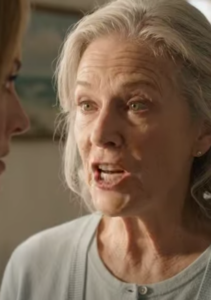
A mis setenta años, me encontraba dentro de la casa de playa donde mi esposo había construido nuestros recuerdos más felices y escuché a mi nuera anunciar que no había lugar para mí.
—Realmente no hay sitio para ella —dijo Megan, mirando a su alrededor en mi abarrotada sala de estar como si yo fuera una huésped inesperada del hotel.
Durante varios segundos, me pregunté sinceramente si había malinterpretado lo que quería decir.
Entonces miré a mi hijo, Robert, y por su expresión comprendí que lo había entendido perfectamente.
—Mamá, se suponía que no ibas a volver hasta mañana —dijo, con un tono más irritado que sorprendido.
Había pasado setenta años aprendiendo a comportarme con cortesía, pero nada en esos años me había preparado para ser tratado como un intruso en mi propia casa.
Seis coches desconocidos estaban aparcados fuera, veintiuna personas se habían instalado aparentemente en mi cabaña y alguien estaba tomando café en la taza favorita de mi difunto marido.
Sin embargo, lo más doloroso en esa habitación no fue el desorden ni la falta de respeto.
Fue la forma en que Robert se negó a mirarme a los ojos.
La cabaña había pertenecido a Henry y a mí durante más de treinta años.
La compramos cuando Robert todavía estaba en la escuela primaria, en aquella época en que el techo goteaba durante las fuertes tormentas y el suelo de la cocina se inclinaba ligeramente hacia la puerta trasera.
La mayoría de la gente había visto la casita y se había fijado en las reparaciones que no podían costear.
Henry lo había mirado y había visto el lugar donde envejeceríamos juntos.
Él trabajaba los fines de semana cambiando tablas, arreglando ventanas y reparando el porche, mientras yo pintaba las habitaciones y ahorraba cada centavo para comprar muebles.
Nunca tuvimos mucho dinero, pero esa casa nos hizo sentir ricos en todos los sentidos importantes.
A Henry le encantaba sentarse en los escalones traseros con su café, observando cómo los barcos de pesca se movían en el horizonte antes del amanecer.
Me encantó el pequeño solárium que me construyó después de nuestro vigésimo quinto aniversario de bodas.
Dijo que me merecía un lugar bonito donde sentarme con mis libros, especialmente en las mañanas en que el viento hacía que la playa estuviera demasiado fría.
Las ventanas daban al agua, y él colocó mi silla favorita donde le daría la primera luz del sol.
A veces me traía el desayuno allí y fingía ser el camarero de un restaurante caro junto al mar.
Tras su muerte, esa habitación se convirtió en el lugar donde me sentía más cerca de él.
Su fotografía estaba junto a la ventana, y su taza de café azul marino desconchada permanecía en el armario de la cocina.
Podría haber reemplazado esa taza cien veces, pero nunca quise otra.
Cada pequeño rasguño me recordaba al hombre que me había amado durante cuarenta y tres años.
That was the home I expected to return to that Friday afternoon.
I had been away for several days and decided to come back one day earlier than planned.
The weather was beautiful, the highway was quiet, and I imagined spending the evening reading in the sunroom with the windows open.
Instead, I turned into my driveway and found so many vehicles that I could barely reach the garage.
At first, I wondered whether someone nearby was having a party and using my driveway without permission.
Then I recognized Robert’s silver SUV and Megan’s white crossover parked near the front porch.
My first feeling was relief because I assumed something had happened and my son had come to check on the house.
That relief lasted until I heard shouting from inside.
Children were running through the hallway, the television was playing loudly, and music thumped from a speaker in the living room.
I opened the front door and nearly collided with a little boy carrying a plastic bucket of beach toys.
He stared at me with wide eyes before racing past without a word.
There were sandy shoes scattered across the entryway and unfamiliar jackets hanging over Henry’s antique coat rack.
A dripping beach towel lay across the upholstered bench I had restored myself.
Someone had moved my framed photographs to make room for bags of snacks.
I walked farther inside, feeling as though I had entered a stranger’s vacation rental.
Two women sat on my sofa eating sandwiches, while a man I had never met was opening cabinets in my kitchen.
Another guest was talking loudly about where everyone planned to eat dinner.
Nobody seemed particularly concerned about the elderly woman standing in the doorway holding her overnight bag.
Then I saw the navy mug.
A young man leaned against the kitchen counter with Henry’s mug in his hand, laughing at something on his phone.
There was nothing extraordinary about someone using a coffee mug.
But I felt a sharp pain in my chest when I saw that familiar blue handle between a stranger’s fingers.
“Excuse me,” I said quietly.
The young man looked up.
“Could you please put that mug down?”
He seemed confused but immediately placed it beside the sink.
“Sorry, ma’am, I didn’t know it was special.”
I thanked him because he had done nothing intentionally cruel.
Then Megan appeared from the hallway wearing a bright beach cover-up and carrying a glass of iced tea.
Her smile disappeared when she recognized me.
“Oh,” she said.
That single word told me more than an elaborate explanation could have.
She was not delighted to see me, and she was certainly not expecting to welcome me home.
“Hello, Megan,” I said.
She glanced toward the living room, then at the bag in my hand.
“We thought you were coming tomorrow.”
“I decided to return early.”
She pressed her lips together.
“Well, that’s a little complicated.”
I looked past her toward the hallway.
“What exactly is going on here?”
