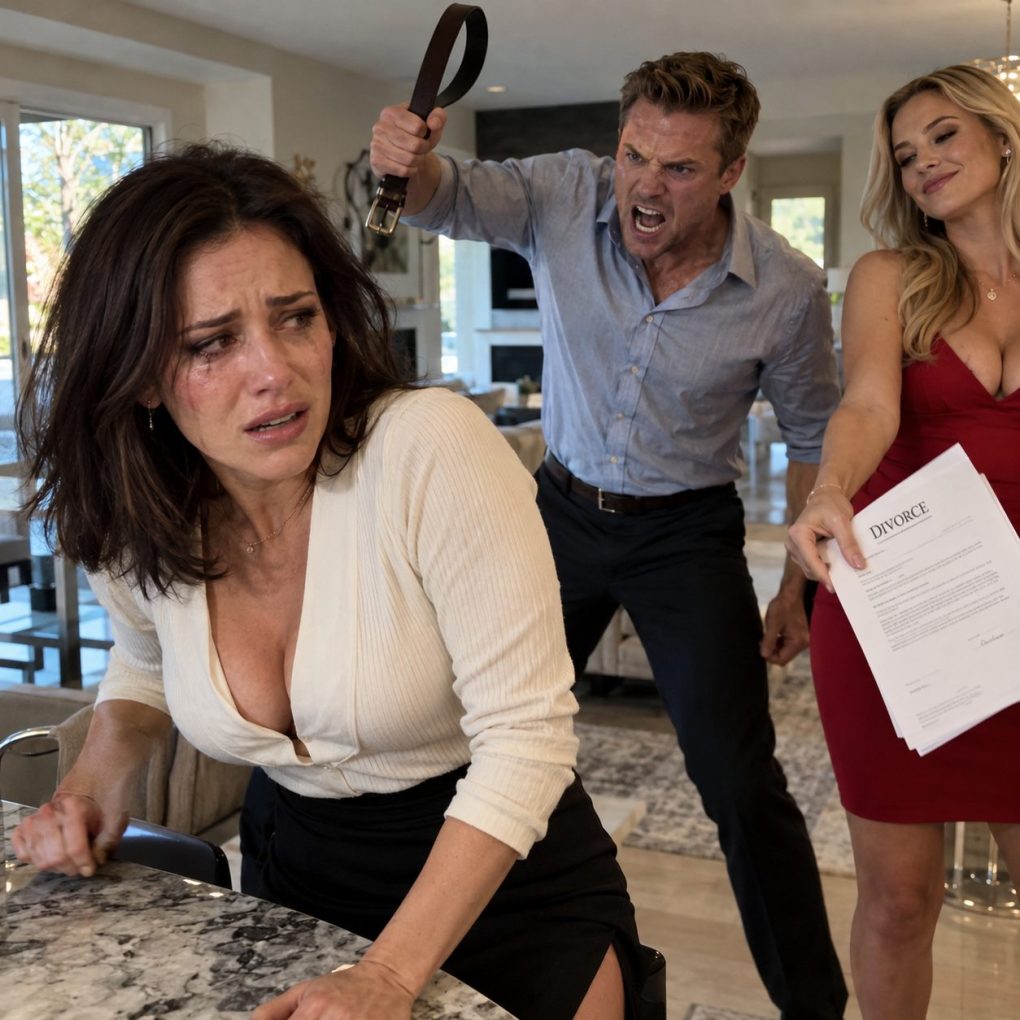
The false guarantee finally explained Grant’s urgency. It claimed I had reviewed disputed transfers and would personally cover losses tied to them. He had listed our house and my savings as support, with amounts wildly inflated. It wouldn’t magically make me responsible for his fraud. It was another lie in a packet designed to look complete until the money arrived. Afterward, if anyone questioned the transfers, he could point to my name and claim his own wife had verified them.
The divorce papers were part of that pressure. Buried among the pages I had signed was a statement saying I knew about Alder and had no objections to its payments. Rachel found it the next morning. “This signature is yours,” she said carefully. “The circumstances matter. We’ll document them.” I felt sick remembering how little I had read. She set the recording beside the papers. His command to sign, Vanessa’s comments, and the blows were there. So were the hospital photographs and my account to the deputy.
Grant came to the hospital that afternoon carrying flowers. I watched through the narrow window as a security officer stopped him outside my room. He called my phone instead. “You’re destroying everything we built,” he said when I answered with Rachel present. For years, that sentence would have made me apologize. This time, I looked at the bruises around my wrist. “You hit me five times,” I said. “You forged my name. You don’t get to call that something we built.”
He lowered his voice. “Those banks pull out, people lose their jobs. Is that what you want?” That was the threat that hurt. I knew people at Mercer who worked nights, raised children, and trusted their paychecks. Rachel signaled that I could end the call. Before I did, I said, “Give them the real books, Grant.” He shouted that I was ungrateful. I hung up, shaking so badly Rachel had to help me set the phone down.
The lenders stopped the scheduled closing while they examined the documents. Mercer’s board brought in outside investigators and removed Grant from daily control. There was no dramatic moment when three billion dollars landed in my account. There were interviews, uncertain paydays, and meetings I wasn’t allowed to attend. An interim management team negotiated a smaller emergency facility to keep essential operations running. Later, parts of the business were sold. Some jobs were lost. Many survived because people finally had accurate numbers to work with.
Vanessa tried to distance herself before the investigation caught up with her. Through an attorney, she claimed Grant had handed her a document already signed. Then investigators found messages discussing the date she should use and my Chicago trip. Owen’s footage supported what those messages suggested. The scratch wasn’t revenge for anything I had done. It was a pretext they chose together. Grant knew he was punishing me for an invented offense. Learning that hurt more than hearing Vanessa admit she had never feared me.
The criminal case took months. I gave statements, answered questions, and listened to the recording more times than I wanted. Grant eventually pleaded guilty to charges stemming from the assault and financial scheme. Vanessa entered her own plea over her role in the false documents. There were consequences beyond the courtroom: restitution orders, the loss of Grant’s position, and a business reputation he couldn’t repair with a charming speech. None of it erased that night. It did put responsibility where it belonged.
My divorce took longer than Grant’s demand for a signature. The agreement he forced on me did not become the final settlement. With our finances examined and the coercion documented, we reached a court-approved resolution that divided the legitimate marital assets and separated me from his business liabilities. I kept enough to start over, not a fortune extracted from frightened employees. On the day it became final, Rachel asked whether I wanted to celebrate. I said I wanted dinner somewhere nobody knew his name.
Recovery was quieter than the revenge people imagined. I rented a small apartment. I changed my number. I worked with a therapist until a slammed cupboard no longer sent me reaching for my purse. Owen checked in once after testifying, worried I blamed him for waiting. I told him the truth: I wished someone had spoken sooner, and I was grateful he finally had. Both things could be true. His evidence helped, but the first person I had to believe was myself.
A year later, I found the pen I had used that night at the bottom of an old bag. For a moment, I was back at that table, with Vanessa smiling and Grant blocking the door. Then I heard traffic outside my own apartment and felt my feet steady on the floor. I threw the pen away. I hadn’t left without a penny, and I hadn’t gone crawling back. I had walked out terrified, made one call, and kept choosing the life waiting beyond him.
