The document describing my public breakdown was dated December twenty-fourth, even though Christmas Eve had not yet arrived.
Clara discovered it shortly after midnight.
She called my room immediately.
“Elaine, are you sitting down?”
I had been looking through old photographs in my father’s study.
“Yes.”
“The physician’s statement includes an attachment we didn’t receive in the initial file.”
“What kind of attachment?”
“A description of an incident involving you.”
I felt an unpleasant tightening in my chest.
“What incident?”
Clara hesitated.
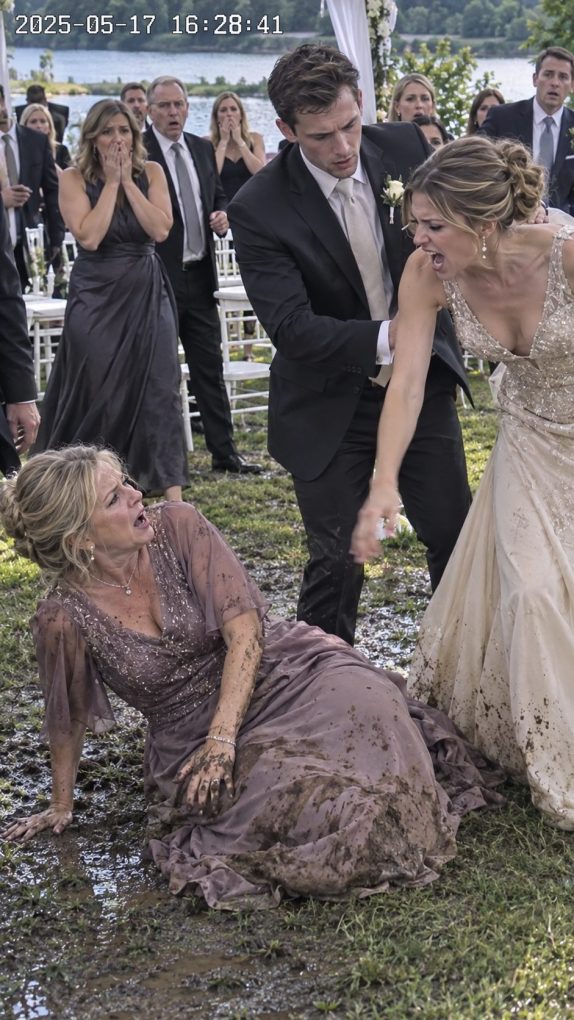
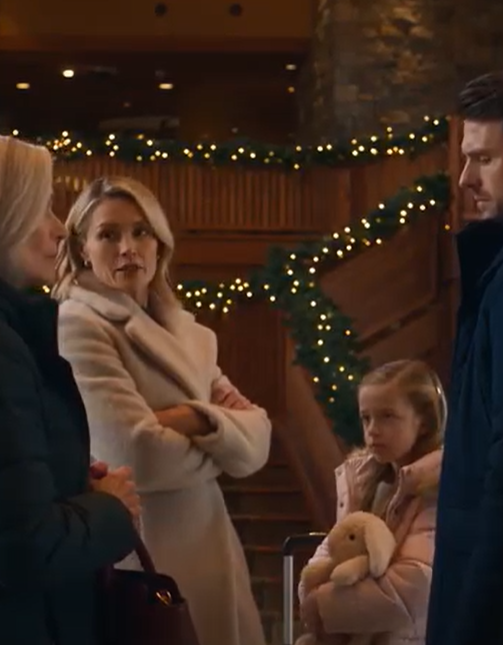
“An alleged confrontation during the Silver Pines Christmas Eve charity reception.”
I stared at the calendar beside the desk.
It was December twenty-second.
Someone had already written a report about an event that was supposed to happen two days later.
“What does it say?”
“That you became emotionally unstable, shouted at family members, threatened hotel employees, and refused reasonable assistance.”
I leaned back slowly.
The grandfather clock in the adjoining room began striking midnight.
Each chime seemed louder than the last.
“Clara, is the report signed?”
“Yes.”
“By the same doctor?”
“Yes.”
“And has anyone verified that this physician actually examined me?”
“Not yet.”
I closed my eyes.
For years, I had believed Madison was simply arrogant.
I had mistaken calculated cruelty for ordinary selfishness.
Now I understood that she had arranged an entire performance, complete with a written account of how I was supposed to behave.
The missing reservation had been the opening act.
The final humiliation was scheduled for Christmas Eve.
And the woman Madison intended to portray as unstable had just discovered the script.
I slept very little that night.
When morning came, the mountains were hidden behind thick gray clouds.
Snow continued falling, though the Christmas lights around the courtyard remained beautiful.
I dressed in a dark blue wool suit that had belonged to a different period of my life.
Peter had always liked that suit.
He said it made me look like someone who could win an argument without raising her voice.
I put on his wedding ring, which I wore on a thin gold chain around my neck.
Then I went downstairs to the original dining room.
Marcus had reserved a small table beside the window.
Fresh coffee waited beside a plate of buttered toast.
Daniel arrived alone.
He looked as though he hadn’t slept either.
“Morning, Mom.”
“Good morning.”
He sat opposite me.
For several moments, neither of us spoke.
Finally, he rubbed his forehead.
“I suppose Marcus told you about the development proposal.”
“Yes.”
His shoulders sagged.
“Madison said it was just an opportunity.”
“To sell the lodge?”
“To explore a partnership.”
I set down my coffee.
“Daniel, please don’t insult me with words chosen by a public relations department.”
He stared at the table.
“I never wanted you to get hurt.”
“But you were willing to let me believe I had nowhere to sleep.”
He swallowed.
“That was Madison’s idea.”
“And yours was to remain silent?”
He didn’t answer.
I leaned forward.
“I need you to understand that doing nothing while someone hurts another person is still a choice.”
His eyes filled, but he quickly looked away.
“I know.”
“Then tell me the truth.”
For a long time, he said nothing.
Then he began speaking in the exhausted voice of a man who had spent too many months pretending his life was under control.
His construction consulting business had failed the previous summer.
A major client had withdrawn from a project after Daniel committed funds he didn’t have.
He had borrowed money to cover payroll.
Then he borrowed again to repay the first lender.
By October, he owed nearly six hundred thousand dollars.
By December, penalties and additional obligations had pushed the amount much higher.
Madison had discovered the debts.
She had been furious.
Then one of her clients introduced her to Crown Peak Capital.
“They told us there could be a substantial advisory payment if the lodge deal went through,” Daniel admitted.
“How substantial?”
He hesitated.
“Enough to settle everything.”
May you like
I studied him.
“Did you tell them you had authority over the Caldwell trust?”
“No.”
“Did Madison?”
“I don’t know exactly what she said.”
“Daniel.”
He covered his face.
“She said that if you wouldn’t cooperate, we might need to establish that you couldn’t make those decisions anymore.”
My heart felt suddenly cold.
“And you agreed?”
“I thought she was bluffing.”
“Then why did you sign the statement?”
He looked up sharply.
“You saw that?”
“Yes.”
His face collapsed.
“I shouldn’t have signed it.”
I waited.
He wiped his eyes.
“She told me it was a preliminary family concern letter, not a medical diagnosis.”
“Did you read it?”
“Not carefully.”
I let those words settle between us.
My son had risked my independence because reading a document was less convenient than trusting his wife’s ambition.