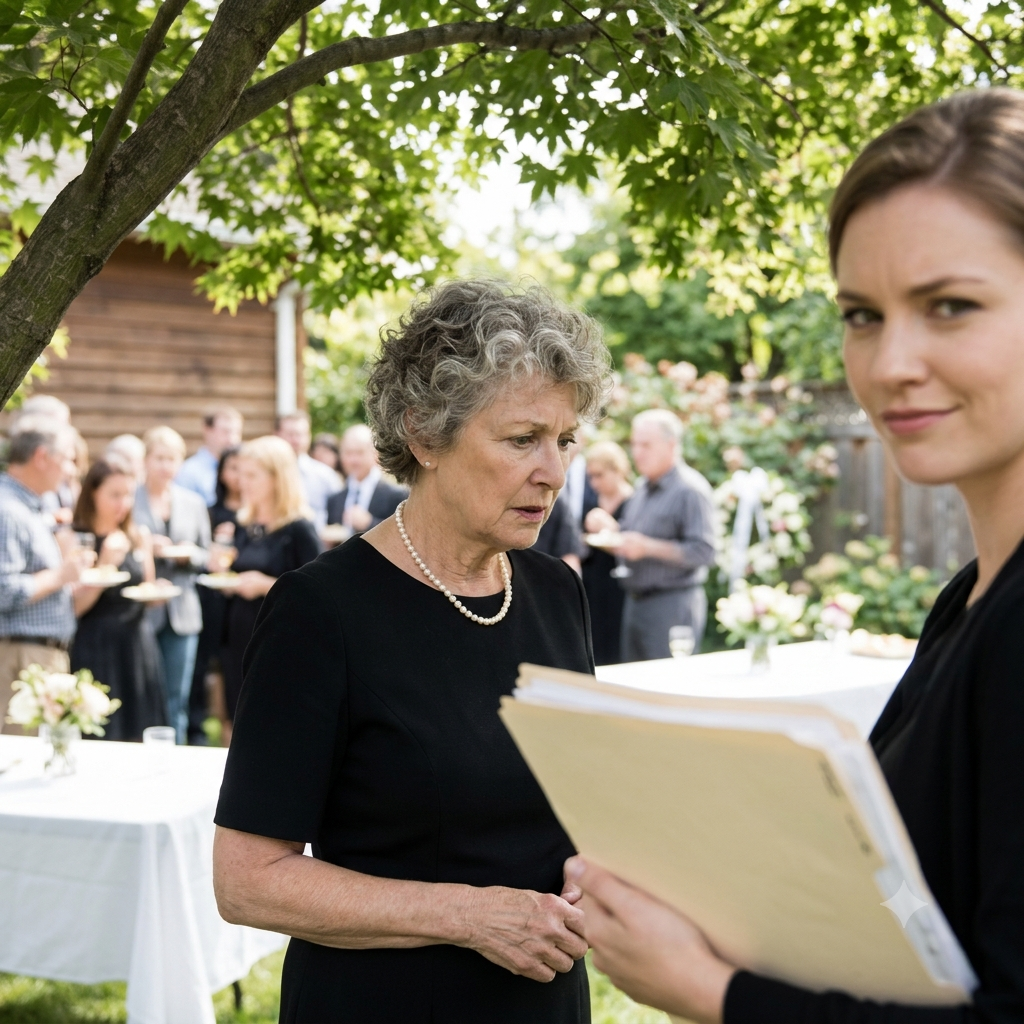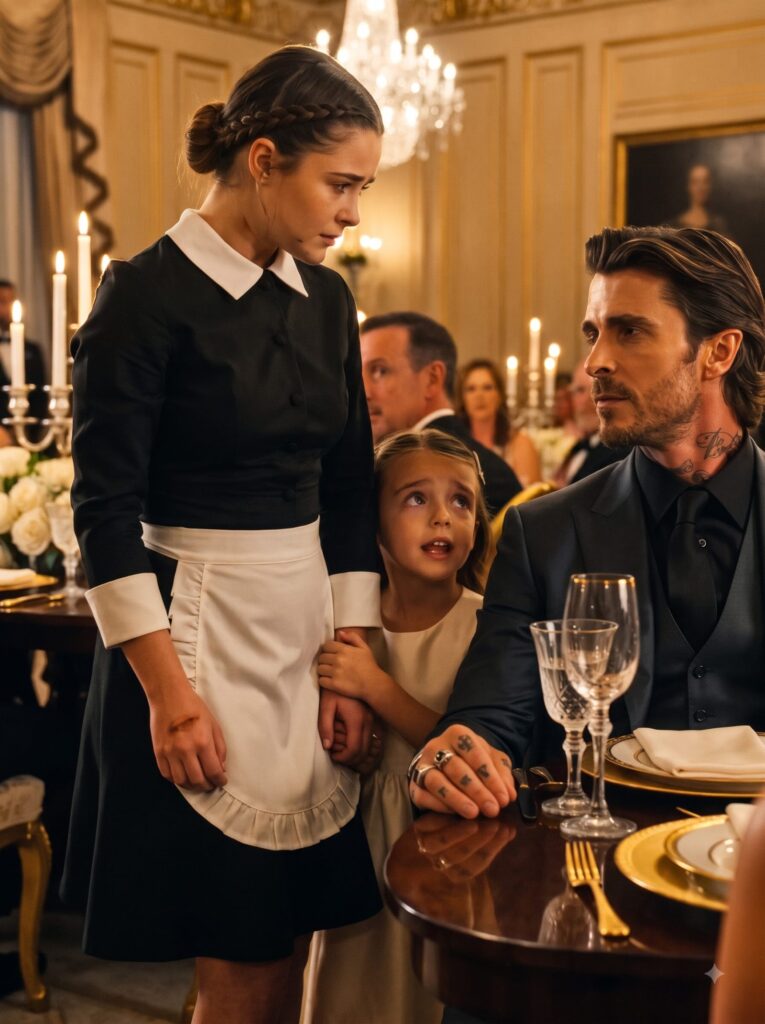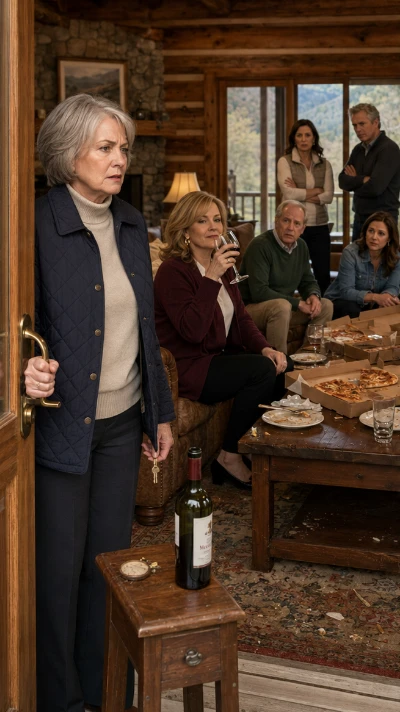
Margaret looked at him.
“How do you know?”
“Celia told me I should ask you directly instead of assuming.”
Margaret smiled faintly.
“Good advice.”
“Am I still your beneficiary?”
“You will inherit my house and a portion of my savings.”
“And the cabin?”
“It belongs to the nonprofit permanently.”
Mark nodded.
“Good.”
“You are not disappointed?”
“I was once.”
She waited.
He looked toward the women gathering inside.
“Then I realized I almost helped someone take it from you while you were alive. I don’t deserve to complain about what happens after.”
Margaret touched his arm.
“Inheritance is not a reward for perfection.”
“No.”
“But neither is it proof of love.”
“I know.”
Celia approached carrying a small envelope.
“This arrived for you,” she said.
The return address belonged to Emily’s correctional facility.
Margaret opened it after the ceremony.
Inside was a single-page letter.
Margaret,
My mother taught me that entering the cabin would prove I had finally reached the life Daniel denied me.
I understand now that the cabin was never the inheritance.
The inheritance was the chance to tell the truth before greed turned me into someone I did not recognize.
Daniel wasted that chance.
My mother destroyed it.
I betrayed it.
You used it.
Thank you for turning the place I tried to steal into a refuge for women who are still learning that “family” is not another word for ownership.
There was no request for forgiveness.
No demand for a reply.
Only one final sentence.
I am trying to become someone who would knock.
Margaret folded the letter.
That evening, after the guests left, she walked alone through the cabin.
The walnut table had been refinished. The wine stain was gone.
Fresh blankets filled the closets.
New locks protected every door.
On the kitchen counter stood a notebook where visitors could write messages.
Margaret opened it.
A seventy-four-year-old woman named Ruth had written on the first page:
My daughter told me I was too old to manage my own money. For three years, I believed her. This house reminded me that getting older does not make me disappear.
Another woman wrote:
The people who love you should not need you powerless.
Margaret closed the notebook.
Outside, the last light slipped behind the mountains.
She thought of Daniel, Karen, Emily, Mark, and the tangled damage created by fear, secrecy, and entitlement.
She had once believed the greatest threat to her future was running out of money.
She had been wrong.
The greatest threat was allowing other people to decide that her future already belonged to them.
Margaret walked to the front door.
For a moment, she remembered Karen standing in the kitchen with a glass of Merlot, calmly announcing that everyone was enjoying Margaret’s home a little early.
The memory no longer wounded her.
It sounded almost absurd.
Margaret turned the new key, tested the lock, and slipped it into her pocket.
Then she looked at the framed sign hanging beside the entrance.
THIS HOUSE BELONGS TO THE WOMAN WHO STILL HAS A LIFE TO LIVE.
Margaret switched off the porch light.
And for the first time since opening the cabin door that terrible morning, she did not feel as though someone had invaded her future.
She felt as though she had finally entered it.